4 Simple Pilates Exercises to Boost Digestion
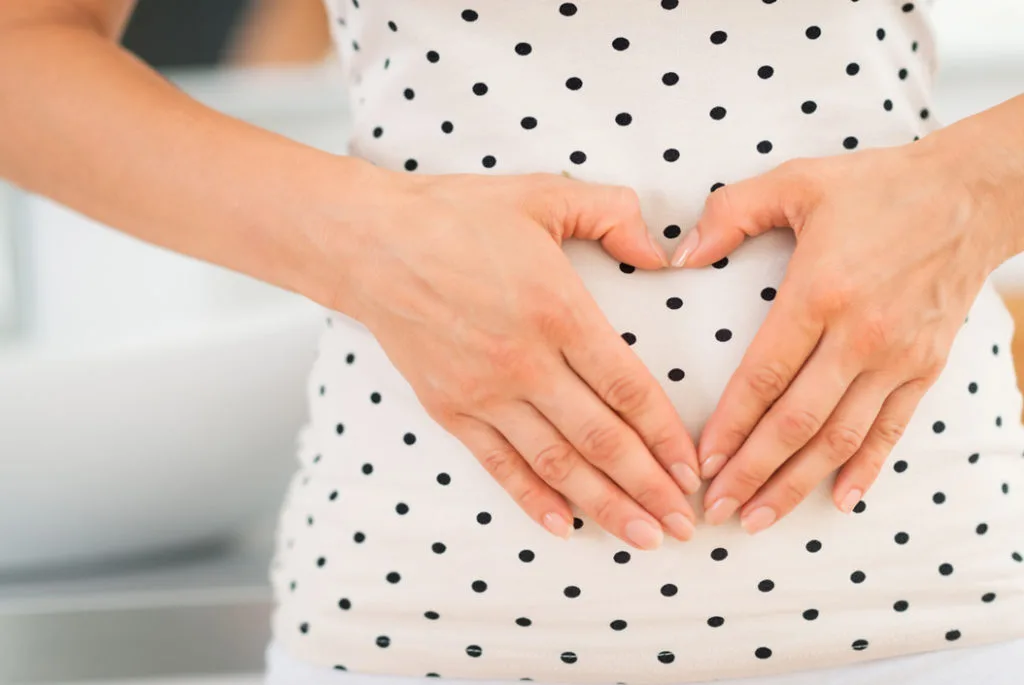
Christmas indulgence is hard on your digestion and can leave you feeling bloated and sluggish.
Luckily, Pilates can be a great way of restoring digestive health. It does this by stimulating your digestive system through encouraging deep breathing and by massaging the stomach organs. This is mainly achieved through twisting exercises, inversions and abdominal work.
Is Pilates Good for Digestion?
Pilates may support digestion through its combination of regular movement, controlled breathing and gentle abdominal activity. Research into physical activity more broadly has found that exercise can improve symptoms of constipation and may help food and waste move through the digestive system more efficiently. One systematic review of nine randomised controlled trials found that exercise significantly improved constipation symptoms compared with usual care.
There is also some early evidence specifically supporting Pilates. A 2024 study involving women with constipation-predominant irritable bowel syndrome found that Pilates alongside dietary advice improved overall symptoms, bowel movement frequency and IBS severity more than dietary advice alone. However, this is a relatively small and specific study, so more research is needed before we can say that Pilates directly improves digestion for everyone.
The breathing element of Pilates may also play a role. Diaphragmatic breathing can influence the autonomic nervous system, which helps regulate digestive function, while reducing stress may be particularly useful for people whose symptoms are linked to the gut–brain connection.
So, does Pilates help digestion? It may help reduce sluggishness, constipation and bloating for some people, particularly as part of a wider routine that includes hydration, a balanced diet and regular physical activity. However, persistent pain, bloating or changes in bowel habits should always be discussed with a healthcare professional.
Below we’ve chosen 4 simple Pilates exercises to boost digestion to get you started – so grab a mat and give them a go.
Top Tip: Do these every day, ideally in the morning before eating, or at least an hour after your last meal.
Pelvic Clocks
Lie on your back with your feet flat on the floor with legs bent, hip-distance apart and parallel to one another. Allow your arms to rest down at your side with the palms facing up or down.
Imagine there is a clock on the front of your pelvis. The 12 o’clock points up at your belly button, while the 6 o’clock points towards your pubic bone. 3 ‘o clock and 9 o’clock point towards your bony hip points.
Tilt the pelvis so that the 6 o’clock (your pubic bone) is pointing upwards and 12 o’clock (your belly button) has sunk down to come nearer the mat.
Tilt your pelvis the other way so that the 6 o’clock is now nearer the mat and the 12 o’clock is higher. This should create a bigger curve in your lower back.
Now, circle the pelvis like you are rolling a marble around the clock. Allow each number to touch the floor one by one. Then reverse the swirl.
Bridge
Lie on your back with your arms by your side. Place the soles of your feet flat on the floor with your legs parallel.
Take a deep, full inhale. Start to exhale slowly through an open mouth as you press into your feet. As you do so, allow your spine up to peel up into the bridge position, remembering to send your tailbone to the back of your knees.
Pause at the top of your bridge and take an inhale here. Exhale and allow your chest to soften. Then let the rest of your spine move segmentally back to the mat.
Repeat 5 times.
Criss cross
Twisting movements like the criss cross are great for detoxing the digestive system.
To perform this move, start by lying down on your back on a mat. Next, take your hands behind your head and bring your legs to table top. Inhale to prepare and on the exhale curl your upper body up until your shoulder blades are off the mat, using your hands for support.
Rotate your upper body and bring your right elbow to the left knee. Extend your right leg out. Swap sides quickly to keep this movement dynamic.
Follow these instructions for the Pilates hundred if you experience neck pain during this exercise.
Repeat this 8 – 10 times each side.
Roll up
Start by lying on your back on the floor with your legs straight. Place your arms on the mat behind you.
Inhale to prepare. Exhale and bring your arms back overhead in an arc. When the arms move past 90 degrees, start to curl your head, neck and shoulder blades off the mat.
Inhale again here and exhale as you roll up the rest of the way. Focus on the sensation of your ribs sliding towards your pelvis as you do so.
Once you’ve curled all the way up, pause with your fingers stretching towards your toes, maintaining your spine in that “C” shape. Remember: don’t allow your arms to drop. Instead, keep them lifted and parallel to the floor.
Now, inhale to extend your spine from the pelvis up through your lower spine, middle spine, neck and head until you are sitting on your sit bones. These are the bones in your butt cheeks.
Exhale and roll back to the starting position.
Why not try these exercises yourself or book today to see how we can help you.
What Our Experts Say
Many people are surprised by how much better they feel after a Pilates session—not just in their muscles and joints, but throughout their whole body. The combination of diaphragmatic breathing, trunk mobility and gentle abdominal activation creates movement around the digestive organs, which may help reduce feelings of bloating and discomfort while promoting overall wellbeing.

Conclusion
While Pilates isn't a treatment for digestive disorders, it can be a valuable way to support normal digestive function. Its combination of breathing, gentle abdominal activation and spinal movement may help ease bloating, improve mobility through the trunk and encourage healthy gut movement. Combined with a balanced diet, regular physical activity and good hydration, Pilates can be a simple and effective addition to your digestive health routine.
References
Exercise therapy in patients with constipation
Effects of Diaphragmatic Breathing on Health: A Narrative Review
Key Takeaways
- Pilates may help support healthy digestion. Gentle movement, deep breathing and spinal mobility exercises can encourage movement of the digestive system and may help relieve feelings of bloating and sluggishness.
- Breathing and movement work together. Pilates breathing and abdominal muscle activation can help massage the abdominal organs and encourage healthy gut function.
- Rotation and spinal mobility exercises can be beneficial. Twisting, rolling and articulating the spine create gentle movement through the trunk, which may help improve comfort and mobility around the abdomen.
- Consistency is more important than intensity. A short daily Pilates routine, particularly before meals or at least an hour after eating, may help support digestive health alongside a balanced lifestyle.
- Pilates complements healthy habits. Regular exercise, hydration, a balanced diet and stress management all play an important role in supporting digestive wellbeing.
Feeling Inspired?
If you want to experience the Complete difference and discover the benefits of one-to-one or small group Pilates, book a session at one of our London or Norfolk studios today. Not able to make it to one of our studios? We've got online options to suit you anywhere, anytime.
Our physiotherapist-led Pilates studio in Chelsea, our Angel Pilates studio, our Pilates studio in City, and our Norfolk Pilates studio in East Anglia, offer a highly tailored approach to your Pilates training. Whether your goal is to manage a health condition, rehabilitate from an injury or to improve your strength and fitness, Complete Pilates is the studio for you.
Education is Key
These blogs are designed to give information to everyone, however, it is important to remember that everyone is different! If you have not seen one of our therapists and have any questions about injuries, what you have read or whether this may be useful to you, please just ask. We are more than happy to help anyone and point you in the right direction. Our biggest belief is that education is key. The more you understand about your injury, illness and movement, the more you are likely to improve.
If you are not sure whether this is for you, simply get in touch. We are here to help!
FAQs
Can Pilates help with bloating?
Many people find that gentle Pilates exercises help reduce feelings of bloating, particularly those involving breathing, pelvic movement, spinal articulation and rotation. If bloating is persistent or severe, it is important to seek medical advice.
When is the best time to do Pilates for digestion?
Many people find it most comfortable to practise Pilates before breakfast or at least one hour after eating. This allows the digestive system to work without the discomfort that can sometimes occur when exercising immediately after a meal.
Are there any Pilates exercises that are particularly good for digestion?
Exercises such as pelvic clocks, bridges, roll ups and gentle rotational movements can encourage movement through the trunk and abdomen. These exercises should always be performed with good technique and within a comfortable range of movement.
Published 24 Dec 2018 · Updated 11 Jul 2026