
A Day In The Life Of A Clinical Pilates Instructor
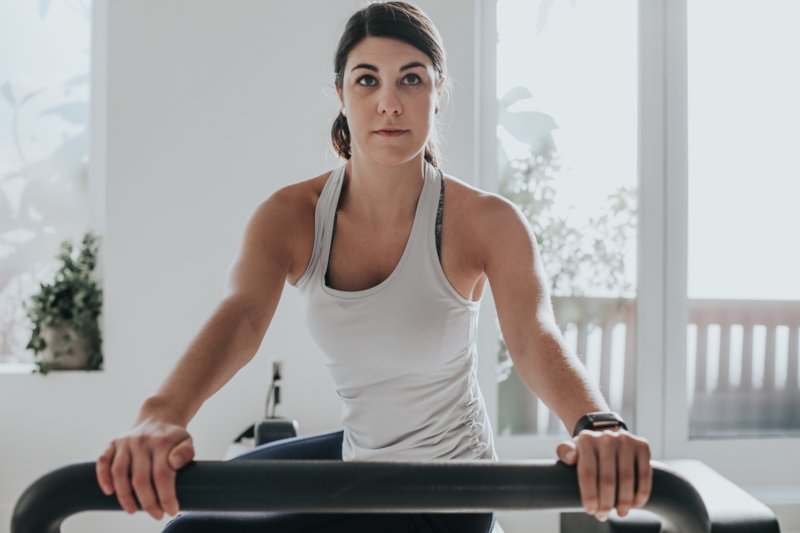
Want to find out what life is like as a Pilates instructor?
First up: Roxy Morgan, Clinical Pilates Teacher
Sunday Night:
Weekdays for me are hectic. We offer group classes and individual sessions at Complete Pilates. I only teach Pilates on a 1:1 basis so my days are filled with back-to-back Pilates sessions with clients.
This means that Mondays are always the start of a busy week and to make sure they run smoothly I need to spend Sundays getting organised. I don’t mind though – I like to start the week feeling prepared
Sunday afternoons have become a bit of a routine in my household. I always roast a load of veggies, boil quinoa and maybe roast chicken breasts. I then divide them up in to containers for my lunches for the week ahead. I have busy days with minimal break time so I like to be quite efficient and save costs.
I spend Sunday evenings looking at my personal diary and my Complete Pilates schedule at the week to come. I like to take this time to prepare my clients’ lessons for the next day and check my schedule so that I know what the week holds for me in terms of which clients I will be seeing for appointments.
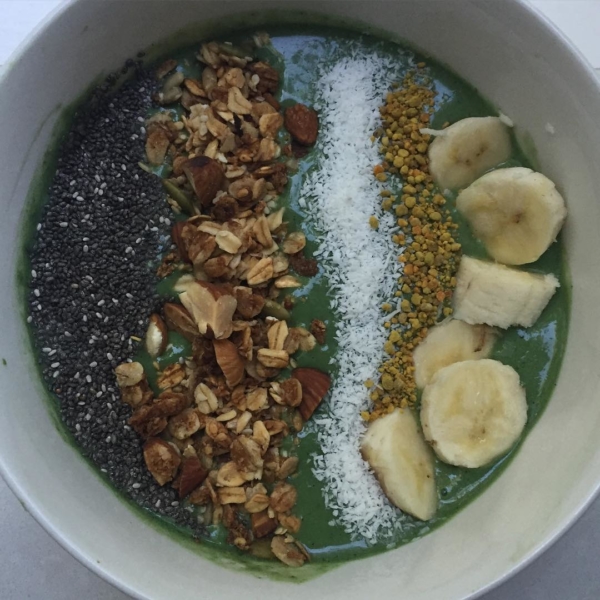
The night before each weekday I prepare my breakfast for the following day. I usually make either a bircher muesli bowl, a chia pudding with almond milk, or in the summer a smoothie. This makes it easy for me to grab my food and go in the morning.

5.30 am:
I am an early riser – and I need to be because my first client normally comes in at 7 am. This means getting up at 5.30 am every morning!
The first thing I do when I wake up is to have a glass of warm water and lemon to get my digestion going.
Then I get dressed, brush my teeth, grab my bircher muesli or smoothie, and I am out the door. I like taking the bus to work, but I do try to have a no-social-media-on the-bus-ban in the mornings. Instead, I listen to music or an Aussie podcast that I like (I’m an Aussie myself).
6:30 am:
I arrive at Complete Pilates in Chelsea (on the Fulham road) at 6.30 am. I then set up the studio ready for clients, put some music on and sit down to have my breakfast.
7:00 am:
From 7 am onwards I teach the first 4 of my lovely clients in back-to-back sessions. They are all 1:1 classes and each one will be very different because all my clients have different injures and needs.
Like most of the Complete Pilates team, I have completed my pre- and postnatal training and have a couple of pregnant clients. Their sessions will be different again because pregnant women can’t do certain exercises.

11:00 am:
By 11.00 am my tummy is rumbling. I normally get my coffee fix from our lovely neighbours at Cpress or Joe and the Juice. Then I sit and have a nibble of the lunch I packed the night before.

11:30 am:
Back to work! 11:30 is when I start teaching again and I will usually see around 3-4 clients after my break.
2:30 - 3:30 pm:
Most days I finish teaching around 2.30 pm or 3.30 pm. But this is not the end of the working day for me.
Because I have so many different clients it is important for me to stay organised with their notes. So, after I have finished teaching, I wrap up my notes from the clients I have seen that day and plan their classes for the following week. I then look at my schedule for the next day, see which clients I will be teaching and write a little plan for their sessions as well.
Most afternoons I stay around the studio and chat to other trainers at Bumps and Burpees (a dedicated pre- and postnatal training space at Lomax) and discuss events that are coming up.
The Complete Pilates team have a good rapport with the Physiotherapists at Complete Physio. As we normally see the same clients. I often spend some of the afternoon chatting to the Physios and will make plans with them for our shared clients.
As well as teaching Pilates for Complete, I am also the Complete Pilates studio manager. I usually start my managerial work after I have finished teaching and spend any available time making sure the jobs that need doing get done! I end my working day by writing a to-do list for the following day (or week) for this role.
5:00 pm:
I am a fitness fanatic and like to stick to a routine. If I have the time during the day – either in-between clients or after work – I will do my own Pilates workout.
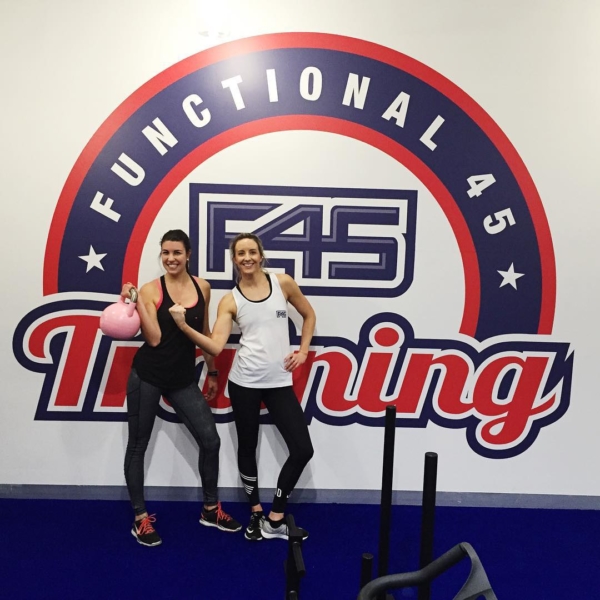
Or I will try and get to a F45, which is HIIT training, then head home for dinner.
7:00 pm:
Dinner is something healthy and light, like a quinoa bowl with lots of greens.

10:00 pm:
I like having a nice early night and have a strict rule about not using phones an hour before bed. Then it is lights out early so that I can get plenty of sleep before my 5.30 am wakeup call the next day.
Related: If you are interested in becoming a Pilates instructor then why not check out this post on Pilates training courses in London.
Key Takeaways
- Life as a Pilates instructor is busy and varied, with each client needing a personalised approach based on their goals, injuries and movement needs.
- Preparation is key, from planning client sessions and writing notes to organising meals and managing a full teaching schedule.
- 1:1 Pilates requires clinical reasoning, especially when working with clients who have injuries, are pregnant or need specific exercise modifications.
- Collaboration is an important part of the role, with Pilates instructors often working alongside physiotherapists and other health professionals to support shared clients.
- A Pilates instructor’s day does not end after teaching, as admin, client planning, studio management and personal training all form part of the routine.
Join the newsletter
Good news stories, exercise tips and short classes. One email a month.
Conclusion
A day in the life of Roxy, Clinical Pilates Teacher and Complete Pilates Studio Manager, shows just how much goes into being a Pilates instructor. Beyond teaching sessions, the role involves preparation, organisation, client note-taking, collaboration with physiotherapists and ongoing planning.
Every client is different, which means every session needs thought and adaptation. Whether working with injuries, pregnancy, rehab goals or general strength and mobility, a Pilates instructor needs to combine technical knowledge with clear communication and care.
It is a busy role, but also a rewarding one — helping people move better, feel stronger and build confidence in their bodies.
Feeling inspired
If you want to experience the Complete difference and discover the benefits of one-to-one or small group Pilates, book a session at one of our London or Norfolk studios today. Not able to make it to one of our studios? We've got online options to suit you anywhere, anytime.
Our physiotherapist-led Pilates studio in West London, our North London Pilates studio, our Pilates studio in London City, and our Norfolk Pilates studio in East Anglia, offer a highly tailored approach to your Pilates training. Whether your goal is to manage a health condition, rehabilitate from an injury or to improve your strength and fitness, Complete Pilates is the studio for you.
Education is key
These blogs are designed to give information to everyone, however, it is important to remember that everyone is different! If you have not seen one of our therapists and have any questions about injuries, what you have read or whether this may be useful to you, please just ask. We are more than happy to help anyone and point you in the right direction. Our biggest belief is that education is key. The more you understand about your injury, illness and movement, the more you are likely to improve.
If you are not sure whether this is for you, simply get in touch. We are here to help!
FAQs
What does a Clinical Pilates instructor do each day?
A Clinical Pilates instructor teaches client sessions, plans exercises, writes notes, prepares future sessions and often liaises with other healthcare professionals. Their day may also include studio organisation, admin and their own training.
Is every Clinical Pilates session the same?
No, especially in 1:1 Clinical Pilates. Each session is adapted to the client’s body, goals, injuries, strength, mobility and progress. This means two clients may do completely different sessions on the same day. The skill in Clinical Pilates is knowing a huge team of people who can help you with someone's rehab and that you can bounce ideas off of.
Why is preparation important for Clinical Pilates instructors?
Preparation helps instructors deliver safe, effective and personalised sessions. Reviewing notes, planning exercises and understanding each client’s needs allows the instructor to make better decisions during the session. It also ensures you are familiar with any updates to a patient's case and can speak to the necessary healthcare providers as required.
Do Clinical Pilates instructors work with physiotherapists?
Yes, in a clinical setting, Pilates instructors often work closely with physiotherapists. This can be especially helpful when clients are recovering from injury, managing pain or working towards rehab goals. It is also really useful to ensure you can get an accurate diagnosis as it is not within the scope of a non medical instructor to give you this. Ensuring you have a good team around you means you can pick up injuries quicker, and treat them faster.
What skills do you need to become a Clinical Pilates instructor?
A Clinical Pilates instructor needs strong movement knowledge, good communication skills, attention to detail, organisation and the ability to adapt exercises. Clinical reasoning and ongoing learning are also important, particularly when working with injuries or specialist populations. You also need to understand that you will do work on the client outside of their designated time. This is to ensure the correct treatment, and referrals, are made.
Published 8 Jun 2018 · Updated 8 Jul 2026