How To Breathe In Pilates
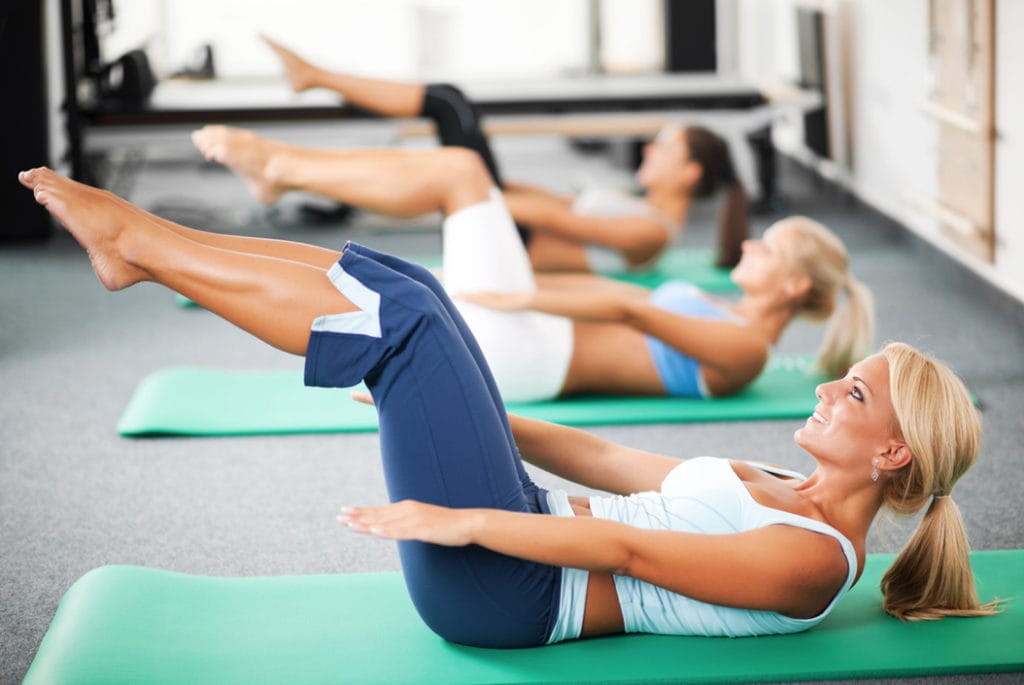
Breathing is the first of the 6 Pilates principles and one of the most important aspects of the method to understand.
In Pilates, breath is not just something that happens in the background. It helps guide movement, support control, improve concentration and reduce unnecessary tension. It can make an exercise feel smoother, more connected and more achievable.
In Pilates, we often use posterior-lateral breathing. This means breathing into the back and sides of the ribcage, rather than only into the upper chest or belly. Breathing in this way can help facilitate or challenge movement, depending on the exercise.
It can also help improve circulation, encourage relaxation, support spinal mobility and help you become more aware of how your body is moving. However, the way we breathe in Pilates is not rigid. Different exercises may require different breathing patterns.
Unlike some forms of exercise, Pilates does not always require you to inhale or exhale in one exact way at one exact time. Instead, we encourage you to match the intensity and pattern of your breath to the exercise you are performing.
For example, if the movement is restorative, then relaxed, natural breathing may be most appropriate. If the exercise is more energetic, such as the hundred, you may need a stronger and more rhythmic breathing pattern.
Why Is It Important To Breathe Properly In Pilates?
How you breathe can completely change your experience of an exercise.
If you hold your breath, you may create too much tension through your neck, shoulders, ribs, abdomen or pelvic floor. This can make movement feel harder and more restricted.
Take the roll up, for example. If you hold your breath during this exercise, you may increase intra-abdominal pressure and reduce the natural movement of the spine. This can make the exercise feel stuck, forced or much more difficult.
In contrast, breathing well can help the spine move more freely. A soft, open-mouth exhale can encourage the ribs to soften, the abdominals to engage and the spine to articulate more easily.
This is why breath is such an important part of Pilates. It is not simply about “breathing in and out at certain times.” It is about using the breath to support movement, control and ease.
How To Breathe In Pilates:
A healthy breath happens in three dimensions. This means the body should expand:
- Forwards and backwards
- Side to side
- Upwards and downwards
Many of us are used to holding our stomachs in, bracing our abdominals or breathing mainly into the upper chest. This is known as shallow breathing.
Shallow breathing can create tension and restrict movement. It may also encourage the shoulders to lift, the neck to grip and the ribcage to become stiff.
Learning posterior-lateral breathing helps us breathe in a more efficient way. It encourages the ribcage to move in all directions while allowing the abdomen to expand slightly. This can improve spinal mobility, reduce unnecessary tension and help the body feel more connected during movement.
What is Posterior-Lateral Breathing?
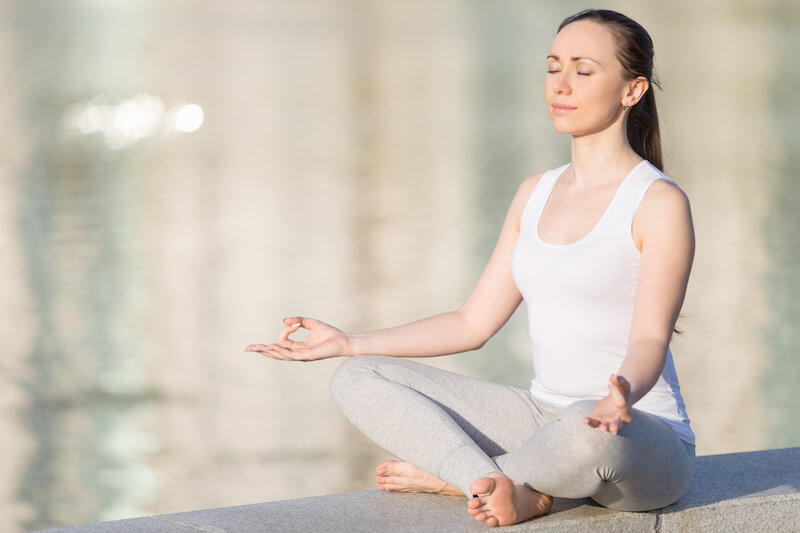
Posterior-lateral breathing means breathing into the back and sides of the ribs.
In Pilates, this is useful because it allows the ribcage to expand without losing control of the abdominal wall. It helps you breathe fully while still maintaining support through the trunk.
This does not mean gripping the stomach or forcing the ribs to move. The breath should feel spacious, smooth and controlled.
The aim is to allow the ribs to widen on the inhale and soften back inwards on the exhale.
Posterior-Lateral Breathing – The Exercise:
The Set Up: You can do this exercise lying on your back with your knees bent or while seated.
Bring one hand to rest on your belly, the other can reach round to touch your back. This will help you feel your breath expanding the abdominal wall.
You can also experiment with placing your hands on your ribs. In this way, you can feel if your ribs move laterally as you breathe.
- Your shoulders should stay down while you breathe. Keep them relaxed and away from your ears during the exercise.
- Your spine should also be in neutral spine position. This is where all the natural curves of the spine are present.
- To start the exercise: breathe in slowly through your nose. Let the air flow into your chest. Allow the ribs to expand in front, back, sides as they fill with air.
- Relax your stomach and allow your lower belly to expand a little.
- Then, through an open mouth, exhale and allow your ribs to come back inwards towards your spine. Don't force the air out – simply relax and allow the air to flow out.
- Repeat: Do this diaphragmatic breathing exercise a few times.
Top Tips
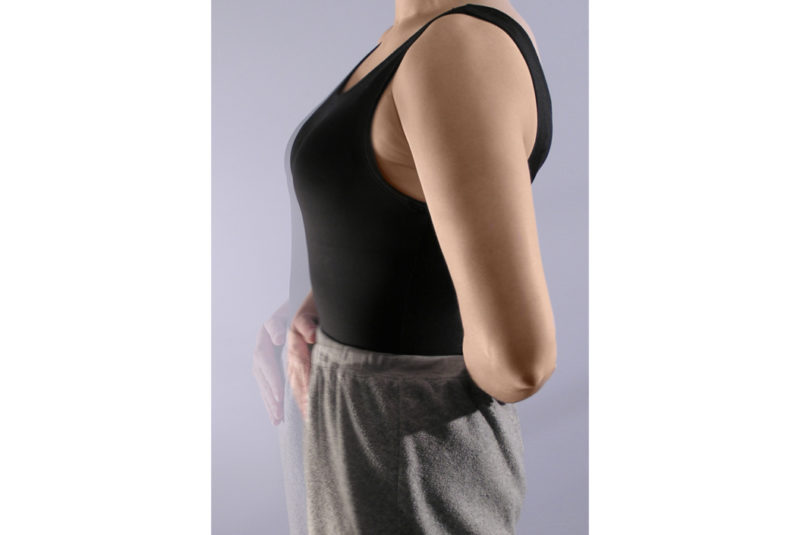
- Keep your shoulders relaxed as you breathe and watch for them rising on the inhale. You want your shoulders to stay down throughout.
- Similarly, you want the inhale to occur evenly through the entire ribcage and in all directions. So, keep length through the top of your head at all times and watch that your spine position doesn’t change when you inhale.
- A restricted throat creates tension in the body, which can limit movement. So, practise breathing out with an open mouth and relaxed throat. Sighing the air out can help.
How Breathing Helps Movement
Breathing well can help you move better.
On an inhale, the ribcage expands, the diaphragm moves and the spine may feel more spacious. This can be useful when preparing for movement, finding length or encouraging expansion.
On an exhale, the ribs soften, the abdominals can engage more naturally and the spine may find more flexion or control. This can be useful during effort, spinal articulation or more challenging exercises.
However, there is no single breathing rule that applies perfectly to every Pilates exercise. The key is learning how your breath can support the movement you are doing.
Sometimes you may use the inhale to prepare. Sometimes you may use the exhale to move. In other exercises, the breath may become more rhythmic or flowing.
Common Pilates Breathing Mistakes
One common mistake is holding the breath during effort. This often happens when an exercise feels challenging or when you are concentrating hard.
Another common mistake is breathing only into the upper chest. This can cause the shoulders to lift and the neck to tense.
Some people over-brace the abdominals and stop the ribcage from moving. Others force the exhale, creating tension through the throat, jaw or pelvic floor.
The goal is not to make breathing complicated. The goal is to use the breath to create support, movement and ease.
Key Takeaways
- Breathing is one of the most important Pilates principles, helping support movement, control and concentration.
- Posterior-lateral breathing encourages the ribs to expand into the back and sides, rather than relying on shallow upper-chest breathing.
- Breathing well can improve spinal mobility, reduce unnecessary tension and make exercises feel more achievable.
- Pilates breathing should match the exercise, with relaxed breathing for restorative work and stronger breathing for more energetic movements.
- Holding the breath or over-bracing can restrict movement, especially through the spine, ribs, neck and shoulders.
Conclusion
Breathing is a fundamental part of Pilates. It helps connect the mind and body, supports movement and can make exercises feel smoother, stronger and more controlled.
Posterior-lateral breathing is particularly useful because it encourages the ribcage to move in three dimensions while allowing the abdominals to support the body without excessive bracing.
Learning how to breathe well in Pilates takes practice, but it can transform the way you move. By keeping the shoulders relaxed, allowing the ribs to expand and using a soft, open-mouth exhale, you can reduce tension and improve movement quality throughout your Pilates practice.
Feeling inspired
If you want to experience the Complete difference and discover the benefits of one-to-one or small group Pilates, book a session at one of our London or Norfolk studios today. Not able to make it to one of our studios? We've got online options to suit you anywhere, anytime.
Our physiotherapist-led Pilates studio in Chelsea, our Angel Pilates studio, our Pilates studio in City, and our Norfolk Pilates studio in East Anglia, offer a highly tailored approach to your Pilates training. Whether your goal is to manage a health condition, rehabilitate from an injury or to improve your strength and fitness, Complete Pilates is the studio for you.
Education is key
These blogs are designed to give information to everyone, however, it is important to remember that everyone is different! If you have not seen one of our therapists and have any questions about injuries, what you have read or whether this may be useful to you, please just ask. We are more than happy to help anyone and point you in the right direction. Our biggest belief is that education is key. The more you understand about your injury, illness and movement, the more you are likely to improve.
If you are not sure whether this is for you, simply get in touch. We are here to help!
FAQs
What is the correct way to breathe in Pilates?
In Pilates, we often use posterior-lateral breathing, which means breathing into the back and sides of the ribs. The aim is to allow the ribcage to expand in three dimensions while keeping the shoulders relaxed and the body free from unnecessary tension. However, the important thing to remember is when you have good movement integration, i.e you are using minimal thought and effort, there is no right or wrong way to breath. Breathing can support all your movements so you just need to make sure you are!
2. Why does Pilates use lateral breathing?
Lateral breathing helps the ribcage move while allowing the abdominals to stay gently active. This can support spinal control, improve movement quality and reduce over-bracing. It is a very easy way of ensuring you get good trunk stability in movements and therefore support.
Should I breathe in or out during effort in Pilates?
A common guide is to exhale during effort, as this can help the abdominals engage and reduce bracing. However, Pilates breathing is flexible, and the breath should match the intensity and purpose of the exercise. The inhale breath can help support extension, whereas the exhale can help with flexion.
Why do I hold my breath during Pilates?
Many people hold their breath when concentrating or when an exercise feels challenging. This can increase tension and make movement harder. Slowing the exercise down and using a gentle open-mouth exhale can help. You can also try lightly counting out loud when you are moving to ensure you are breathing.
Can Pilates breathing help with stress?
Yes, Pilates breathing can help reduce tension and encourage relaxation. Focusing on slow, controlled breathing can calm the body, improve awareness and help you feel more present during movement.
Published 2 May 2019 · Updated 4 Jul 2026