Mental Health and Covid-19

Given that most of us are currently self-isolating or socially distancing because of Covid-19, we may well have experienced feeling anxious, lonely, obsessive or depressed at some point in the last few months.
Many of us have strategies in place to manage these psychologically difficult times. But not everyone has the informed knowledge and awareness on how to deal with their mind and well-being. It is more important than ever to consider our mental as well as physical health.
Particularly for those of us living in a city when often we are having to deal with an environment or a living situation which is less than ideal. These environments can make it difficult to find refuge or have a time out from the stresses and anxieties that such a unique situation like this brings.
Background
Approximately 1 in 4 people will suffer from a mental health problem every year in the UK and in England, 1 in 6 report more common complains such as anxiety and depression on a weekly basis. The current Covid-19 pandemic is a rare situation and many people will experience stress, anxiety, and depression reactions.
The aim of this blog is to be a tool to help you minimise the reactions by increasing your knowledge of what to look out for with these psychological conditions.
We will also share how exercise and mindfulness in the form of Pilates, can help you reduce the psychological impact on your daily life.
It important to consider that anyone can be at risk even if you have never suffered from a mental health condition before. During this pandemic mental health problems can affect all of us, and potentially even more so for those who have suffered from a mental illness previously.
Anxiety from contracting the disease, the increased loneliness and isolation to flatten the curve and reduce spread. Added stress and low mood from the lifestyle changes, work life balance and financial implications can all worsen and trigger symptoms.
Symptoms
Knowledge on recognising the warning signs and symptoms and then acting on them is key to reducing the impact on ourselves, our family and our community during this global pandemic.
So here are the symptoms and how to recognise them.
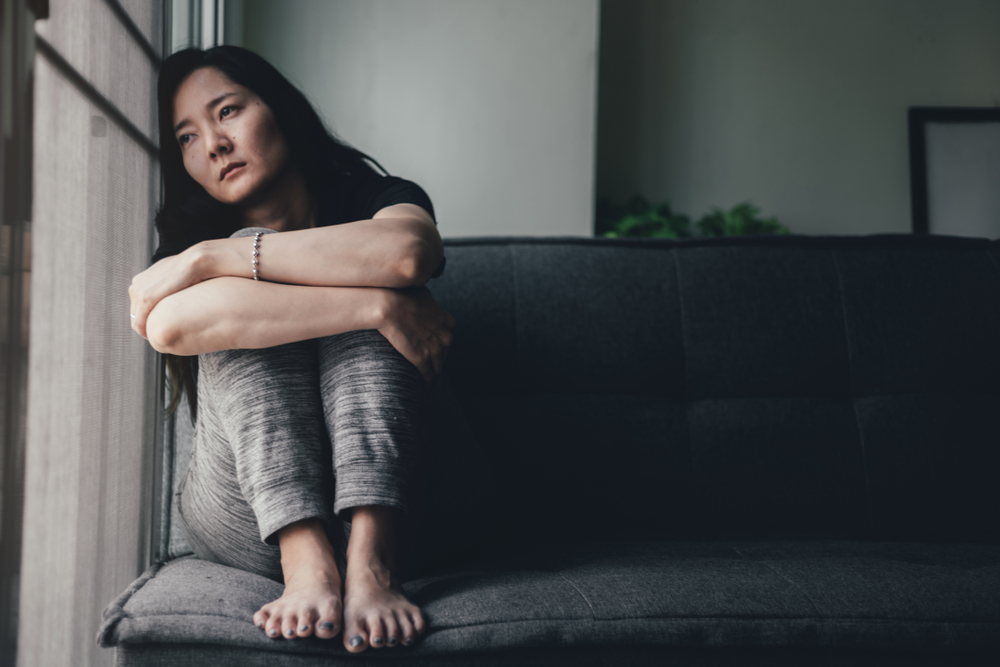
Anxiety
A recently Chinese citizen survey found that approximately 42.6% of people experienced anxiety due to the corona virus pandemic. Being anxious about you or someone in your family getting sick, loss of income, and your risk of exposure just to a name a few.
The signs and symptoms of Anxiety include:
Physical
- Racing heart rate
- Feeling short of breath
- Feeling agitated and distressed
- Feeling shaky
Behavioural
- Seeking lots of reassurance
- Avoiding social situations
- Outburst / Tantrums
- Over thinking
- Obsessive routine or play
- Repetitive behaviour like rocking or stimming
- Self-harm
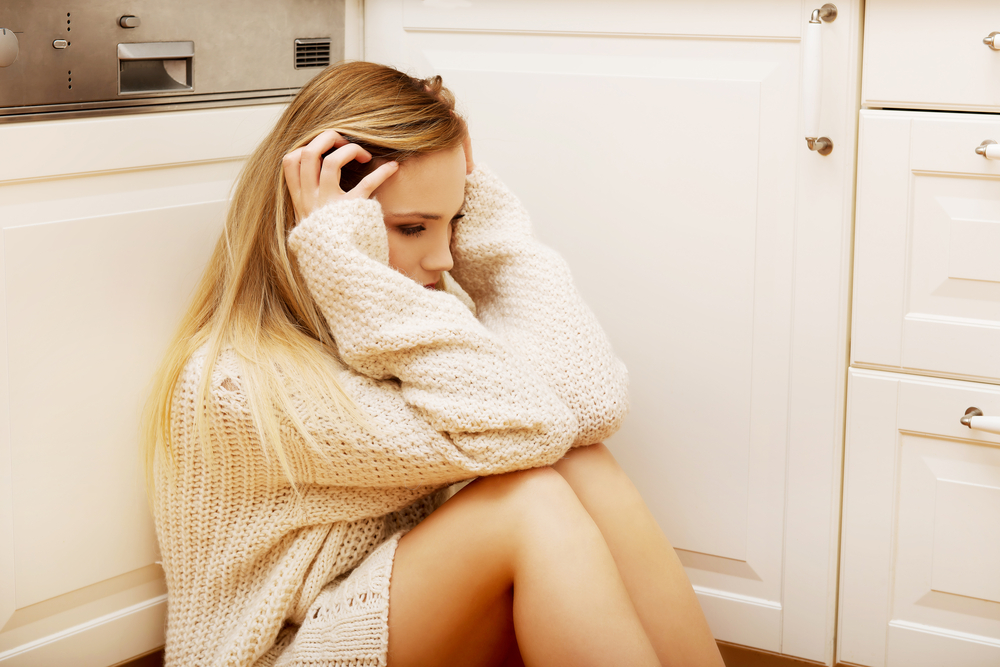
Loneliness
Staying at home, social distancing and isolation are crucial to slowing the spread of the coronavirus. This can obviously lead to the feeling of loneliness. Many studies have shown the adverse mental health and physical effects of loneliness and its potential for causing long term conditions such as depression and heat disease.
For example, a report published in 2010 found consistent evidence that social isolation has a negative impact on mental health, for example emotional support provided in social interactions can help ease the damaging effects of stress providing a sense of meaning and purpose in life.
Furthermore, isolation was also associated with many physical medical conditions including worsening of cardiovascular disease, high blood pressure, repeated heat attacks, auto-immune disorders, cancer and delayed wound healing.
The signs and symptoms of Loneliness include:
- Inability to connect with others on a deeper intimate level.
- No close or best friends (someone who ‘gets you’).
- Overwhelming feeling of isolation regardless of where you are or feeling alienated.
- Negative feelings of self - doubt and self – worth.
- When you try and reach out or connect it not reciprocated.
- Exhaustion and burn when you try and engage socially
Obsessiveness
Given the focus on washing your hands and considering the ways in which the coronavirus can be contracted from person to person or surface to surface it is easy to become obsessive. Especially for those who already have Obsessive Compulsive Disorder (OCD) and suffer from contamination obsessions for example “unwanted intrusive worry that one is dirty and in need of washing, cleaning or sterilizing”.
The signs and symptoms of obsessiveness include:
Symptoms
- Intrusive thoughts around passing the virus to loved ones or elderly people
- Contamination fears leading to addition washing/cleaning
- Harm related obsession such as; Have I been careless and does this mean I secretly want people to die?
- Worries about not being able to exercise or mental for mental well-being if isolated
Trauma and Depression
Unfortunately, those who may have been recently quarantined may suffer from traumatic stress. During the SARS outbreak a survey in 2003 found approximately 23% of individuals suffered from traumatic stress.
Given that the progressive lockdown from Covid-19 here in the UK was fairly rapid and along the way individuals were self-quarantined we can see how this could be traumatic on our psyche. It is important to be aware of the link between a traumatic event and the depression that can be common following it. Many of us can start to feel low in mood, with passing states of lassitude, discouragement and sadness.
The signs and symptoms of depression include:
Psychological symptoms
- Prolonged low mood or sadness
- Feeling tearful
- Feeling a lot of guilt
- Feeling of hopelessness and helplessness
- Feeling irritable or intolerant of others
- Having no motivation or interest in things
- Finding it difficult to make decisions
- Not getting enjoyment out of life
- Having suicidal or self-harming thoughts
Physical symptoms
- Change in appetite and weight
- Lack of energy
- Moving more slowly than usual
- Lack of energy
- Loss of libido
- Disturbed sleep
- Changes in menstrual cycle
- Neglecting hobbies
- Avoiding contact with friends

How Can We Minimize These Potential Impacts on Our Daily Lives?
Of course, there are many things we can do to help us minimize the impact on our daily lives these include but are not limited to;
- Having a balanced diet
- Reducing your alcohol intake
- Smoking cessation
- Helping others who are in need
- Staying connected through Zoom/FaceTime to friends/family.
- Distracting yourself with household chores
- Free online courses
- Watching movies
- Limiting your news consumption
- Writing a daily plan/routine
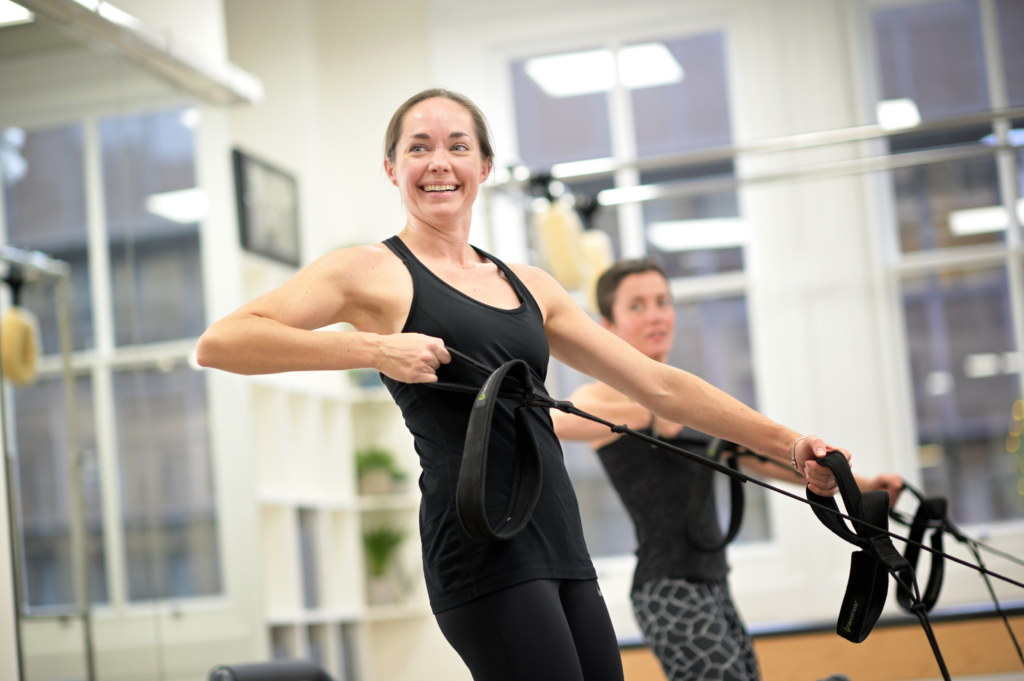
Mindfulness and Pilates
Incorporating Pilates into your daily routine where there are periods of mediation or breathing exercises can be greatly beneficial. This can help you calm your senses and control adrenaline (fight or flight responses) in stressful times.
The concentration and focus during the Pilates breath work will give you a positive feedback loop of mind-body connection so you can adjust accordingly to daily stresses. Over time helping you to become more autonomous in using logical based thoughts rather than becoming anxious or obsessed in a stressful given situation.
Pilates breathing exercises can also have a knock-on effect on reducing your heart and respiratory rate therefore limiting increases in blood pressure and boosting your overall sense of physical comfort, relaxation and wellbeing.
There are lots of free apps available which can help to keep you calm and clear your mind of troubles. For example, Headspace is especially helpful to practice mindfulness in order to think less or the future and worst case scenarios. The waking up app from Sam Harris is another good one that takes you through a 50 day introductory meditation course.
Pilates As a Stay At Home Exercise
Many of us are working from home, and lots of our time is spent sitting and not moving around as much. Many of us may be trying to manage backache and added stiffness due to our new sedentary lifestyle and new office set ups.
Remember, normally we are so much more active, whether it be from daily your commute, dropping the kids off from school, climbing the stairs to the office or even walking out to get lunch, it all adds up.
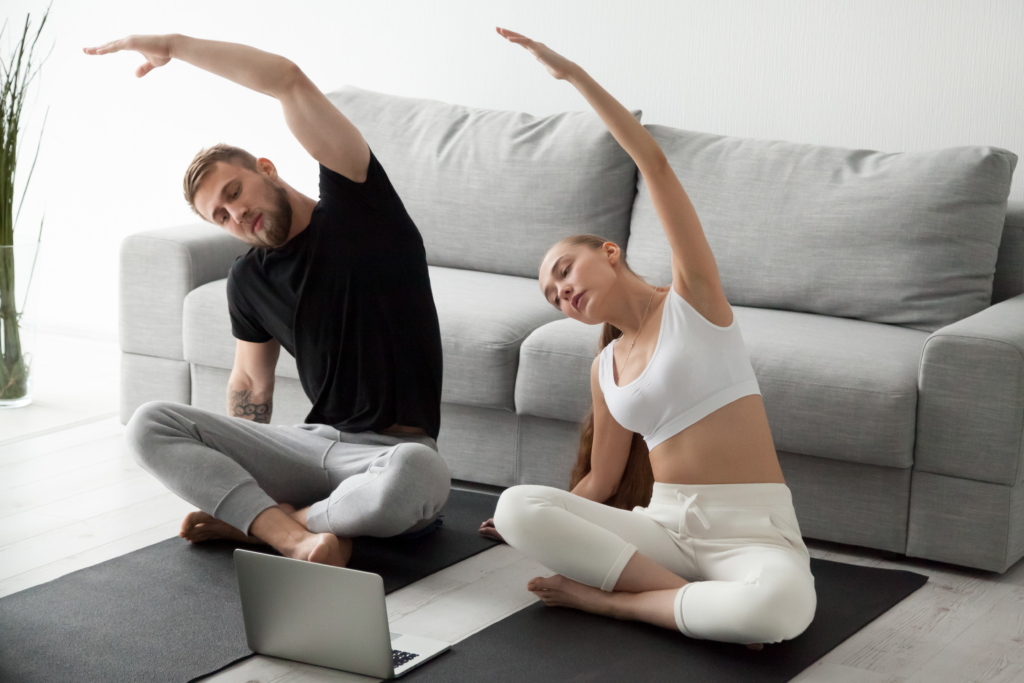
Part of your daily plan could also include Pilates, an ideal form of exercise and you only need a small space for a mat or towel on the floor. Exercise has been shown to reduce the incidence of chronic depression by increasing serotonin production and therefore regulating an individual’s mood, sleep and appetite.
Pilates is known for improving your ability to control your body and become more posturally aware. Helping to improve your biomechanics and co-ordination between muscle groups gives you awareness in your movement around your home environment and helps you to adjust to prolonged periods of quarantine. This will make things easier and more comfortable for you in your day to day life around your home.
The practice of Pilates online is also a great way to become part of a community therefore giving a sense of belonging and making you to develop thoughts of loneliness. Studies have repeatedly shown that exercise to helps improve mood and reduce anxiety responses. Organised and structured exercises classes where you are led by an instructor are more likely to boost your mood if you’re unfamiliar or a beginner.
Reaching Out For Help
If your symptoms continue so that they start to affect your function and you can’t manage, then please consider seeking further professional help. If your situation is too difficult then don’t struggle in silence instead reach out, either by text, email or phone call.
Emergency Services (999)
If you or someone you live with is seriously injured, call 999.
Childline
- www.childline.org.uk
- if you're under 19 you can confidentially call, email or chat online about any problem big or small
- freephone 24/7 helpline: 0800 1111
- sign up for a childline account on the website to be able to message a counsellor anytime without using your email address
- chat 1:1 with an online advisor
Samaritans
- https://www.samaritans.org/
- if you're in distress and need support, you can ring Samaritans for free at any time of the day or night.
- freephone (UK and Republic of Ireland): 116 123 (24 hours)
- email: jo@samaritans.org
The Mix
- www.themix.org.uk
- if you're under 25 you can talk to The Mix for free on the phone, by email or on their webchat. You can also use their phone counselling service or get more information on support services you might need.
- freephone: 0808 808 4994 (1pm - 11pm daily)
Women's Aid
- www.womensaid.org.uk
- if you think you may be experiencing domestic abuse and you identify as a woman, you can talk to Women's Aid for free and confidential support
- email: helpline@womensaid.org.uk
- you can also chat to a support worker using their free instant messenger service, Mon-Fri (10am-12pm)
Citizen's Advice
- www.citizensadvice.org.uk
- if you have money or work worries, Citizen's Advice can help
- freephone: 03444 111 444 (Mon-Fri, 9am-5pm)
- text service: 03444 111 445 you can talk to a debt adviser online for free Mon-Fri, 8am-7pm
- for advice on anything else, you can chat to an adviser online for free Mon-Fri, 10am-4pm
Mind
- www.mind.org.uk
- Infoline: 0300 123 3393
- email: info@mind.org.uk
- Text 86463
- Our Infoline provides an information and signposting service. Mon-Fri (9am-6pm).
If you would like to try some today to help with both your mental and physical health then do get in touch on info@complete-pilates.co.uk or book your appointment online now.
What Our Experts Say
Pilates can be incredibly helpful for mental wellbeing because it asks you to focus on the present moment. Coordinating your breath with controlled movement can help settle the nervous system, reduce physical tension and give your mind a break from everyday worries. At Complete Pilates, we see movement as one part of a broader approach to supporting both physical and emotional health.

Conclusion
Pilates is not a cure for anxiety, depression or other mental health conditions, but it can be a valuable part of looking after your overall wellbeing. By combining gentle movement, focused breathing and concentration, Pilates gives you time to step away from daily stresses and reconnect with your body.
A regular practice can also provide structure, improve physical comfort and help you feel more confident and connected. However, if your symptoms are persistent, worsening or affecting your ability to function, always reach out to your GP or an appropriate mental health professional for further support.
Key Takeaways
- Pilates can support both physical and mental wellbeing. The combination of movement, breathing and concentration can help reduce stress, improve mood and create a greater sense of calm.
- Mindful movement helps you feel more connected to your body. Pilates encourages you to focus on how you move and breathe, which can interrupt anxious thought patterns and improve body awareness.
- Regular exercise can improve mood and energy levels. Staying active supports sleep, concentration and overall wellbeing, particularly during periods of stress, isolation or reduced activity.
- Routine and community matter. A regular Pilates class can provide structure, social connection and a sense of belonging, whether you attend in person or online.
- Pilates is a useful tool, but not a replacement for professional support. If anxiety, low mood or other symptoms are persistent or affecting daily life, it is important to seek help from a qualified healthcare professional.
Feeling Inspired
If you want to experience the Complete difference and discover the benefits of one-to-one or small group Pilates, book a session at one of our London or Norfolk studios today. Not able to make it to one of our studios? We've got online options to suit you anywhere, anytime.
Our physiotherapist-led Pilates studio in Chelsea, our Angel Pilates studio, our Pilates studio in City, and our Norfolk Pilates studio in East Anglia, offer a highly tailored approach to your Pilates training. Whether your goal is to manage a health condition, rehabilitate from an injury or to improve your strength and fitness, Complete Pilates is the studio for you.
Education is Key
These blogs are designed to give information to everyone, however, it is important to remember that everyone is different! If you have not seen one of our therapists and have any questions about injuries, what you have read or whether this may be useful to you, please just ask. We are more than happy to help anyone and point you in the right direction. Our biggest belief is that education is key. The more you understand about your injury, illness and movement, the more you are likely to improve.
If you are not sure whether this is for you, simply get in touch. We are here to help!
FAQs
Is Pilates good for mental health?
Pilates can support mental wellbeing by combining exercise with breathing, concentration and mindful movement. Many people find that it helps reduce stress, improve mood and create a greater sense of calm. However, it should complement rather than replace professional mental health treatment where this is needed.
Can Pilates help with anxiety?
Pilates may help manage some symptoms of anxiety by encouraging slower breathing, focused attention and controlled movement. These elements can help reduce physical tension and bring your attention back to the present moment.
Can Pilates help with depression or low mood?
Regular physical activity is associated with improved mood, sleep and energy levels. Pilates can be a particularly accessible option because it is adaptable, low impact and provides a structured way to move. Persistent low mood should always be discussed with a healthcare professional.
How often should I do Pilates for mental wellbeing?
There is no single ideal amount, but consistency is more important than intensity. One or two regular sessions each week may help provide routine and support wellbeing, while shorter breathing or mobility sessions can also be useful between classes.
Is online Pilates helpful for loneliness and isolation?
Yes. Live online Pilates classes can provide routine, interaction and a sense of connection, particularly for people who are unable to attend a studio. Being part of a regular class can help you feel more connected while supporting your physical health at the same time.
Published 25 May 2020 · Updated 10 Jul 2026