Exercise and Pregnancy: The Benefits of Exercise During Pregnancy!
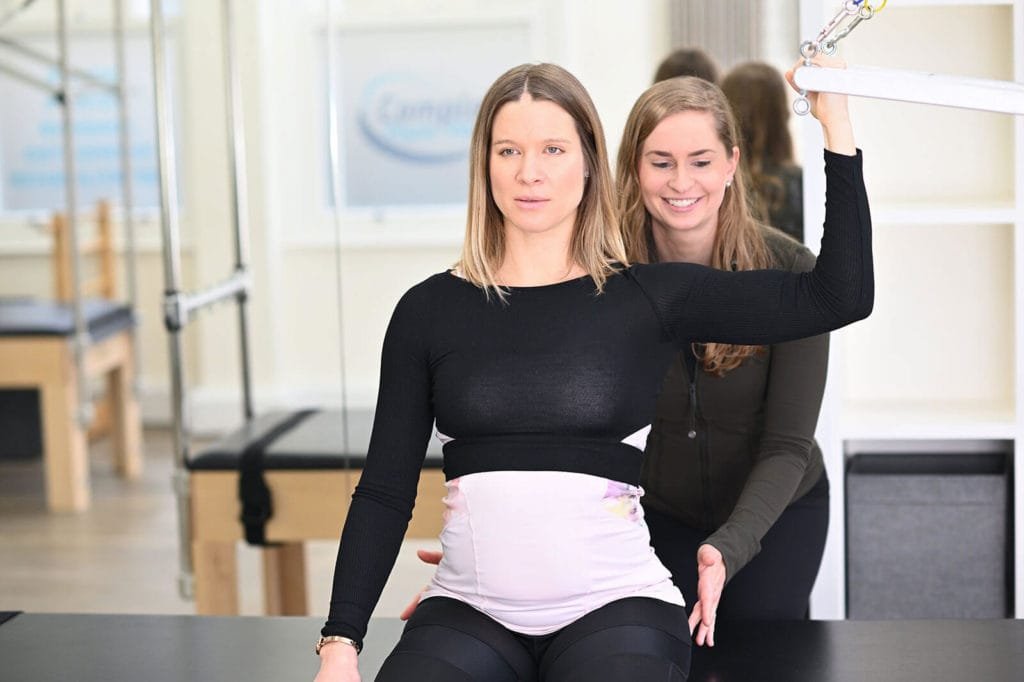
Believe it or not, but exercise and pregnancy can offer a whole host of benefits from helping to prepare you for labour and delivery, to improving sleep, boosting your energy and preventing pregnancy related conditions like gestational diabetes!
Exercise may be the last thing on your mind when you’re struggling with (what could be perceived as) the pitfalls of pregnancy, such as morning sickness, backache, constipation, bloating and swelling to name a few. However, it can be a great time to get active, get healthy and stay in shape.
In this article, we’ll walk you through the benefits of exercise during pregnancy for both mums and your babies alike!
Benefits of Exercise During Pregnancy For Mums
As many of us are aware, exercise offers an abundance of benefits at whatever stage or age we are in life. And the same applies throughout pregnancy.
The benefits of exercise during pregnancy for mums includes:
- Relieve constipation, bloating and swelling by encouraging active bowels which keeps everything regular.
- Improved sleep. It comes as no surprise that many pregnant women find it much harder to fall asleep, however, those who exercise consistently find their quality of sleep much better.
- Boost mood and energy levels. Exercise during pregnancy can help to reduce depression and fight fatigue by releasing endorphins which are chemicals that relieve stress and pain and boost energy levels.
- Reduce risk of pregnancy complications. Some research and open in a different page tab suggests that women who are active and exercise in pregnancy are less likely to have unplanned caesarean sections and operative-assisted vaginal delivery.
- Shortened Labour. There is evidence and open in a new page tab to support that physically active women will have short labours of approximately 30 minutes.
- Reduced back and pelvic pain. When carrying increased weight, you can expect greater pressure on your lower back and pelvis which can cause aches and pains. Exercise and Pilates for lower back pain, in particular, can help by improving mobility to redistribute forces which in turn alleviate pressure.
For most people with uncomplicated pregnancies, Pilates can be a safe and effective way to stay active during pregnancy. In fact, regular physical activity during pregnancy is associated with a lower risk of gestational diabetes, hypertensive disorders, excessive gestational weight gain, caesarean birth and depressive symptoms. It can also help reduce the severity of lumbopelvic pain.
Pilates is particularly well suited to pregnancy because it is low impact, adaptable and focuses on strength, mobility, breathing, pelvic floor awareness and posture. As your body changes, your Pilates practice should change with you. The aim is not to push harder, but to move in a way that supports your body through pregnancy, birth and recovery.
You can usually continue Pilates if you were doing it before pregnancy, provided you feel well and have no contraindications. You can also start Pilates while pregnant, but it is best to choose a pregnancy-specific class or work with a teacher who is experienced in pre- and postnatal exercise.
Reformer Pilates can also be safe during pregnancy when appropriately modified. The springs can provide useful support, but certain positions and exercises may need adapting as your bump grows, particularly exercises lying flat on your back for long periods after around 16 weeks.
Mat Pilates, wall Pilates and equipment Pilates can all be suitable, but they should be adjusted to your stage of pregnancy. Hot Pilates, however, is generally not recommended during pregnancy, as overheating should be avoided.
The most important thing is to tell your instructor as soon as you are pregnant, even in early pregnancy. This allows them to modify your exercises safely and avoid movements that may no longer be appropriate.

Benefits of Exercise During Pregnancy for Babies
Not only does exercise during pregnancy benefit mums, there are also arguments to suggest exercise benefits babies too.
Although most research has been conducted on the long-term effects of exercise of animals, there is evidence to suggest benefits for humans too.
Stronger, fitter heart. Research suggests that regular aerobic exercise during pregnancy helped to lower the heart rate of fetuses at 36 weeks. This was further supported by a follow up at 1-month post-birth which found the benefits were still noticeable after birth.
Get the OK Before you Exercise!
It’s important to get the OK from your doctor or pelvic health physiotherapist before starting or continuing with exercise during pregnancy. Whilst exercise is generally good for pregnant women, there may be cases where it is inadvisable.
For example, a doctor or health professional may recommend avoiding exercise if you have:
- Cervical problems
- Placenta problems
- Persistent bleeding during your second or third trimester
- Restrictive heart and lung disease
- Preeclampsia/pregnancy-induced hypertension
- Severe anaemia

Getting Started with your Pregnancy Exercise Routine
If you were physically active before pregnancy, you should be able to continue with your exercises at your usual level of intensity whilst you feel comfortable to do so and with your doctor's approval. We recommend incorporating modifications where appropriate when necessary.
Tips for exercising during pregnancy:
- Pace it out. For most pregnant women, at least 30 minutes of moderate intensity exercise is recommended on most/all days of the week.
- Warm up and cool down before and after exercise.
- Avoid high intensity in hot weather to avoid overheating.
- Drink plenty of fluids to keep hydrated.
- Notify your instructor if you are participating in an exercise or group workout as you will need modifications to exercises.
- Try low impact activities such as swimming, in-door bike and low-impact aerobics.
Exercises to Avoid When Pregnant
Whilst exercise during pregnancy can be hugely beneficial, there are also exercises you should avoid during pregnancy. These include:
- Avoid contact sports which risk you falling or getting hit such as kickboxing, judo, gymnastics, skiing, outdoor cycling, ice hockey, rugby, diving, ice-skating etc.
- Avoid activities which involve altitude change which heightens the risk of altitude sickness.
- Avoid scuba diving which increases the risk of decompression sickness.
- Avoid activities which involve lying on your back for long periods of time after 16 weeks. The increased amount of weight can compress major blood vessels and restrict circulation around your body which can cause you to feel nauseous, dizzy and faint.
- Exercise in super hot weather which can increase your body temperature significantly.
- Avoid lifting very heavy weights. Although it is subjective as what is considered heavy, it is advised to avoid weightlifting based activities such as Olympic lifting if you are not used to doing these. If you have never lifted gym-based weights before it is also suggested to wait until post-natal to start.

Related reading: Read more about the benefits of Pilates here and Pilates for kids
What Our Experts Say
Pregnancy isn't the time to stop moving—it's the time to move more intelligently. Pilates provides a safe, adaptable way to maintain strength, improve body awareness and prepare for the physical demands of birth and parenthood. The focus should always be on supporting your changing body rather than pushing your limits.
Conclusion
Pilates can be a brilliant way to stay active throughout pregnancy, helping you build strength, maintain mobility, support your posture and prepare your body for birth and postnatal recovery. The key is individualised, pregnancy-specific guidance. With the right modifications, Pilates can support you from early pregnancy through to your third trimester and beyond.
Resources
Physical Activity and Exercise During Pregnancy and the Postpartum Period
Key Takeaways
- Pilates is safe for most uncomplicated pregnancies. Regular exercise during pregnancy is associated with multiple maternal benefits, including reduced risk of gestational diabetes, hypertensive disorders, caesarean birth and depressive symptoms.
- Pilates can help you feel stronger and more comfortable. It may support posture, breathing, pelvic floor awareness, mobility and back or pelvic pain management as your body changes.
- Reformer, mat and wall Pilates can all be adapted. The key is choosing pregnancy-safe modifications rather than continuing every exercise exactly as before.
- Hot Pilates is best avoided during pregnancy. Exercising in high heat can increase the risk of overheating, so cooler, well-ventilated environments are recommended.
- Guidance matters. Speak to your doctor, midwife or pelvic health physiotherapist, and always tell your Pilates instructor that you are pregnant so your programme can be adapted safely.
Join the newsletter
Good news stories, exercise tips and short classes. One email a month.
Feeling Inspired?
If you want to experience the Complete difference and discover the benefits of one-to-one or small group Pilates, book a session at one of our London or Norfolk studios today. Not able to make it to one of our studios? We've got online options to suit you anywhere, anytime.
Our physiotherapist-led Pilates studio in Chelsea, our Angel Pilates studio, our Pilates studio in City, and our Norfolk Pilates studio in East Anglia, offer a highly tailored approach to your Pilates training. Whether your goal is to manage a health condition, rehabilitate from an injury or to improve your strength and fitness, Complete Pilates is the studio for you.
Education is Key
These blogs are designed to give information to everyone, however, it is important to remember that everyone is different! If you have not seen one of our therapists and have any questions about injuries, what you have read or whether this may be useful to you, please just ask. We are more than happy to help anyone and point you in the right direction. Our biggest belief is that education is key. The more you understand about your injury, illness and movement, the more you are likely to improve.
If you are not sure whether this is for you, simply get in touch. We are here to help!
FAQs
1. Can you do Pilates while pregnant?
Yes, for most uncomplicated pregnancies, Pilates is safe and beneficial. It is important to choose pregnancy-appropriate exercises and let your instructor know you are pregnant as early as possible.
2. Can I do Pilates in early pregnancy?
Yes, many people continue Pilates during the first trimester. However, early pregnancy can bring fatigue, nausea and other symptoms, so you may need to reduce intensity and avoid overheating.
3. Is Reformer Pilates safe during pregnancy?
Reformer Pilates can be safe during pregnancy when taught by someone experienced in pregnancy modifications. Springs can offer helpful support, but some positions, abdominal exercises and prolonged lying on your back may need changing.
4. What Pilates exercises should I avoid when pregnant?
Avoid hot Pilates, high-impact movements, exercises with a high risk of falling, intense abdominal work, heavy loading that you are not used to, and prolonged lying flat on your back after around 16 weeks. Your programme should be adapted as pregnancy progresses.
5. When should I stop Pilates during pregnancy?
You do not necessarily need to stop Pilates if you feel well and have medical clearance. However, stop exercising and seek medical advice if you experience symptoms such as dizziness, chest pain, vaginal bleeding, contractions, calf pain or swelling, or reduced fetal movement.
Published 3 Feb 2021 · Updated 28 Jul 2026