Immunity and Pilates
How to Boost Your Immune System with Pilates
What is the Immune System?
The immune system is your body’s number one defence mechanism and protects you from various types of disease-causing bacteria and viruses. It is a complex fighting system which uses your circulation and lymphatic system to transport elements around your body. Your immune system and your health are directly related. The stronger your immune system is, the more protection you will have against colds, viruses and other illnesses.
A weak immune system can cause;
- More frequent colds and infections
- Slower wound healing
- Anaemia (low iron levels in your bloodstream)
- Fatigue and lethargy

White blood cells are activated when your immune system is weakened. There are two types of white blood cells: Phagocytes and lymphocytes. Phagocytes move through your body getting rid of foreign organisms (pathogens). Lymphocytes get information from the Phagocytes to help it develop the right antibodies to fight the pathogen effectively. In this way, they work as a team.
Various factors can make your immune system weaker and make you more susceptible to disease. You may be surprised to learn that many common daily habits can harm your immune system! Being sedentary is one of the main habits that can impact your immune system especially as you age.
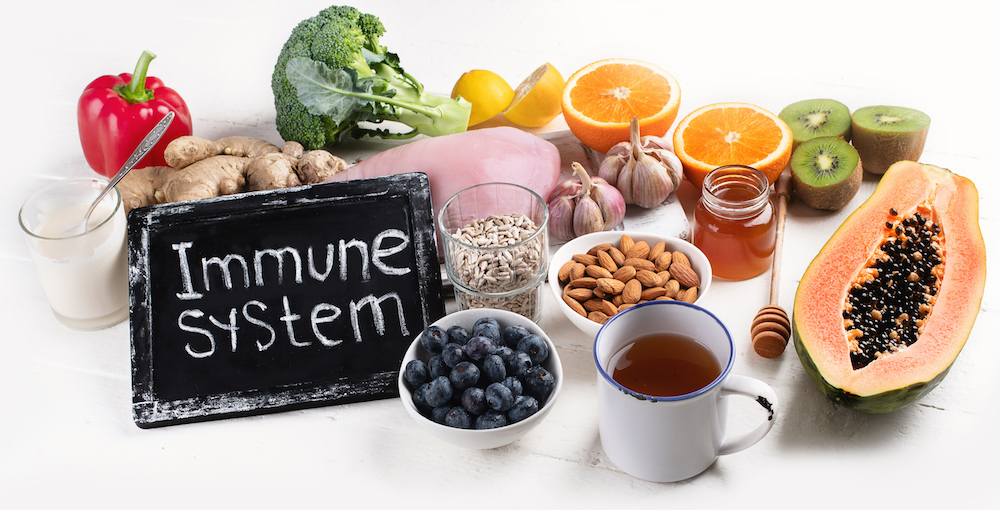
Given the current times we are living in, it is important to understand what immunity is and how you can improve it. The good news is that there are a few simple things we can do to help improve your immune system. These include your diet, sleep and exercise.
In this blog, our physiotherapist, Ami Odendaal, concentrates on explaining how exercise can boost your immune system.
Immunity and Exercise
The term ‘physical activity’ (walking or doing housework) should not be confused with exercise. Exercise is defined by being planned, structured and repetitive in nature to maintain or improve certain aspects of physical fitness.
There is a myth that exercise can reduce your immune function but much of the research today suggests the opposite. The reduction in immune function is only relevant in prolonged vigorous exercise in endurance athletes.
Much of the research data on exercise and disease shows that regular structured exercise can reduce the risk of contractable diseases such as viruses and bacterial infections. It also has a significant effect on chronic diseases in older age including cancer and inflammatory conditions. This research also suggests that from 1-2 hours following exercise our immune function is indeed heightened and over time frequent daily exercise enhances rather than suppresses your immune system.
Pilates is a popular form of daily exercise to both to improve fitness and restore health for people of all ages. Pilates is a non-impact and safe form of exercise which uses your body as a whole.
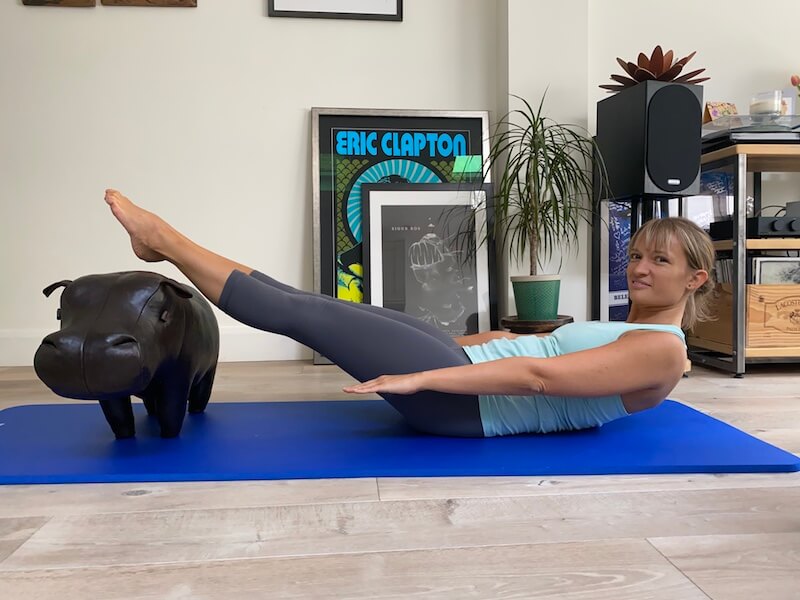
It may also improve circulation and lymphatic drainage due to the muscle pump action and gravity assistance. When the calf muscles work, they help to pump fluid back up to the heart through both the blood vessels and lymphatic system. With common Pilates exercise such as single-leg stretch you are doing this with the leg up above the heart so gravity will also assist in this process which in turn will assist the function of the immune system.
How much, how often and how long?
In Pilates, like with other forms of exercise it is recommended to perform at least three 30-minute sessions per week to see or feel the benefit, classes are usually an hour which is even better! To quote Joseph Pilates “in 10 sessions you will feel better, in 20 you will look better and in 30 you will have a whole new body”. If you are doing 2-3 then results may take longer to achieve compared to doing something every day.
Top tips:
- Making Pilates part of your daily routine will not only improve your health and movement but will boost your immune system.
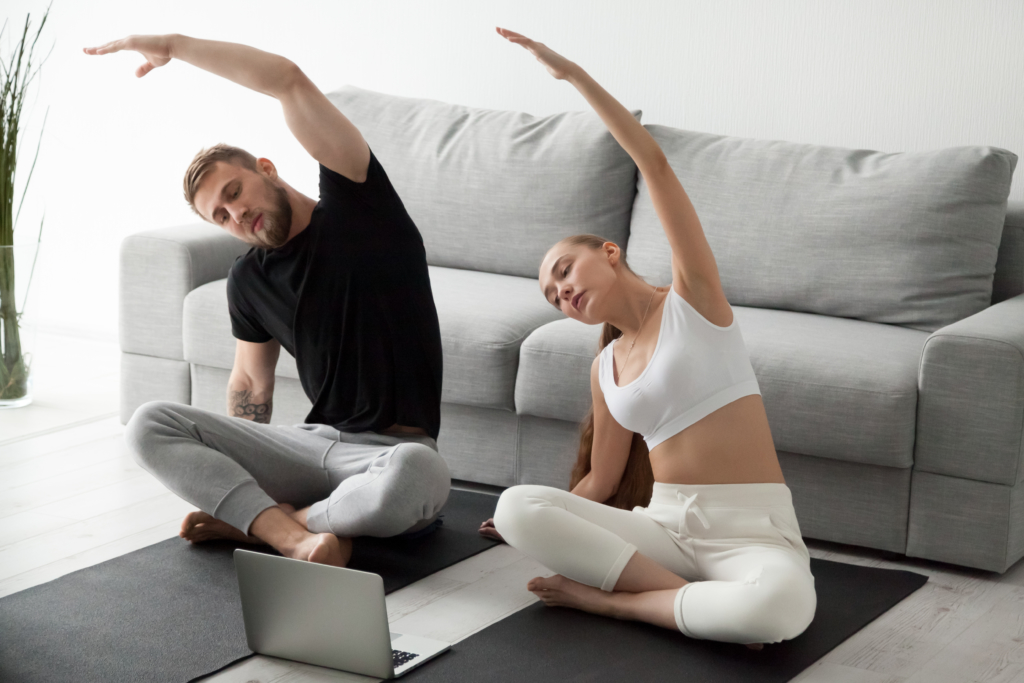
- The beauty of this type of exercise is it can be performed anywhere, Online, in a chair, standing and lying down And at any time, at work or in the Pilates clinic.
- All you need is a small space big enough to stretch out head to toes. Ideally a Pilates mat or a clean floor! Cushions and tins are also great props!
What Our Experts Say
At Complete Pilates, we see movement as one of the key pillars of long-term health. Pilates provides a considered way to support the body without unnecessary strain, encouraging better awareness of breath, alignment and effort.
From a clinical perspective, the combination of gentle load, controlled movement and mindful breathing can help clients feel more connected to their bodies and better supported in their overall wellbeing. It is this balance—between strength and ease—that makes Pilates such a valuable part of a healthy lifestyle.

Conclusion
Immunity is not something separate from how we move and live each day—it is influenced by it. While Pilates is not a cure or treatment, it can offer a supportive environment for the body to function more efficiently through breath, circulation and mindful movement.
When we approach exercise with consistency and awareness, rather than intensity alone, we give the body space to adapt, recover and thrive in a more sustainable way.
Key Takeaways
- The immune system is closely linked to overall health, and regular, mindful movement can support the body’s natural defence systems through improved circulation and lymphatic flow.
- Consistency matters more than intensity—small, regular sessions can be more supportive for wellbeing than occasional high-effort exercise.
- Pilates offers a sustainable way to stay active, supporting not only strength and mobility but also a greater sense of ease within the body.
Join the newsletter
Good news stories, exercise tips and short classes. One email a month.
Resources
Campbell, J.P. and Turner, J.E. (2018) ‘Debunking the myth of exercise-induced immune suppression: Redefining the impact of exercise on immunological health across the lifespan’, Frontiers in Immunology, 9, 648. https://doi.org/10.3389/fimmu.2018.00648
Nieman, D.C. and Wentz, L.M. (2019) ‘The compelling link between physical activity and the body’s defense system’, Journal of Sport and Health Science, 8(3), pp. 201–217. https://doi.org/10.1016/j.jshs.2018.09.009
Pascoe, M.C. and Bauer, I.E. (2015) ‘A systematic review of randomised control trials on the effects of yoga on stress measures and immune function’, Journal of Psychiatric Research, 68, pp. 270–282. https://doi.org/10.1016/j.jpsychires.2015.07.013
Note: While research specific to Pilates and immune function is limited, evidence from broader exercise and mind–body movement literature supports the physiological mechanisms described in this article.
Feeling inspired
If you want to experience the Complete difference and discover the benefits of one-to-one or small group Pilates, book a session at one of our London or Norfolk studios today. Not able to make it to one of our studios? We've got online options to suit you anywhere, anytime.
Our physiotherapist-led Pilates studio in Chelsea, our Angel Pilates studio, our Pilates studio in City, and our Norfolk Pilates studio in East Anglia, offer a highly tailored approach to your Pilates training. Whether your goal is to manage a health condition, rehabilitate from an injury or to improve your strength and fitness, Complete Pilates is the studio for you.
Education is key
These blogs are designed to give information to everyone, however, it is important to remember that everyone is different! If you have not seen one of our therapists and have any questions about injuries, what you have read or whether this may be useful to you, please just ask. We are more than happy to help anyone and point you in the right direction. Our biggest belief is that education is key. The more you understand about your injury, illness and movement, the more you are likely to improve.
If you are not sure whether this is for you, simply get in touch. We are here to help!
FAQs
1. Can Pilates really support the immune system?
Pilates may support general wellbeing by improving circulation, encouraging lymphatic movement and reducing stress levels, all of which contribute to overall health.
2. How often should I do Pilates for general health benefits?
Consistency is key. Two to three sessions per week is often enough to support mobility, strength and overall wellbeing.
3. Is Pilates suitable if I’m feeling run down or fatigued?
Yes, gentle Pilates can often be adapted to meet your energy levels, focusing on breath, mobility and light movement rather than intensity.
4. What role does breathing play in immunity and Pilates?
Breathing supports oxygen flow, relaxation and movement efficiency, helping the body function more effectively and reducing unnecessary tension.
5. Do I need to be fit to start Pilates for health benefits?
No. Pilates is scalable and can be adapted for all levels, making it accessible whether you are new to exercise or returning after a break.
Published 14 Apr 2020 · Updated 28 Jul 2026