Podcast Episode 8: The Pregnancy Edition
Episode 8: The Pregnancy Edition with Clare Pacey
The second part of our three part series with Physiotherapist and Clinical Pilates instructor Clare Pacey.
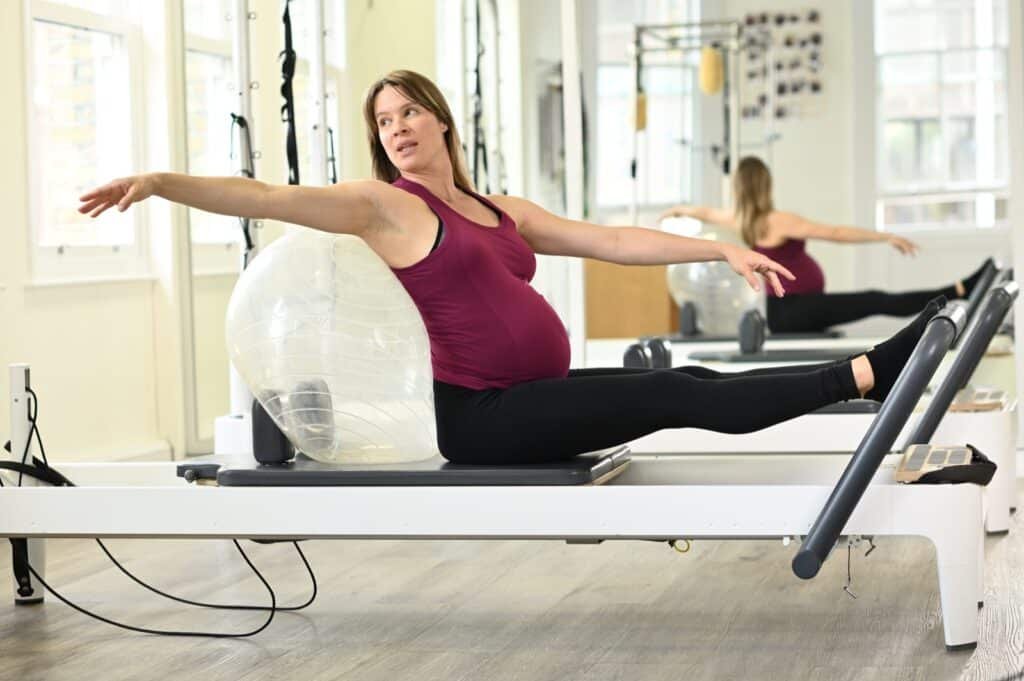
In this podcast, Clare talks about some common issues which women can face during their pregnancy and what can be done to help. This includes strongly advocating exercise throughout pregnancy, including lifting and running!
What Our Experts Say
One of the most reassuring messages from this episode is that pregnancy does not automatically mean giving up the movement you enjoy. Running, lifting and Pilates may all remain appropriate, but the programme should respond to the individual, their previous experience and how their body feels as the pregnancy progresses. The aim is not to maintain exercise at any cost, but to adapt it thoughtfully so that movement continues to support strength, confidence and wellbeing.
Key Takeaways
- Physical changes during pregnancy can create new symptoms – As the body adapts throughout pregnancy, women may experience issues that affect their comfort, movement and usual activities.
- Pregnancy-related symptoms can often be supported – Experiencing discomfort does not necessarily mean that you simply have to tolerate it until after birth, as appropriate advice and treatment may help.
- Exercise should be encouraged throughout pregnancy – Staying active can remain an important part of looking after your health, provided the activity is appropriate for you and your pregnancy.
- Lifting does not automatically need to stop – Strength-based exercise can still have a place during pregnancy, although the load, technique and programme may need to be adapted as the body changes.
- Running may still be possible during pregnancy – Women who already run may be able to continue when comfortable, rather than assuming that pregnancy means they must stop all higher-impact activity.
Join the newsletter
Good news stories, exercise tips and short classes. One email a month.
FAQs
1. How much exercise should I do during pregnancy?
The NHS recommends trying to stay active every day. Around 30 minutes of walking can be enough, although any amount is better than none when that is not manageable. Exercise should feel comfortable, and you should generally still be able to hold a conversation while doing it.
2. Can I start exercising during pregnancy if I was not active before?
Yes, but avoid suddenly beginning strenuous exercise. Start gradually with manageable activities and tell your instructor that you are pregnant. Speak to your maternity team when you are unsure which type or level of exercise is suitable for you.
3. What is pregnancy-related pelvic girdle pain?
Pregnancy-related pelvic girdle pain, sometimes called PGP or SPD, can cause discomfort around the pubic bone, lower back, perineum or thighs. It may be worse when walking, climbing stairs, standing on one leg, turning in bed or getting out of a car. Early assessment and physiotherapy may help reduce symptoms.
4. When should I stop lying flat on my back during exercise?
The NHS advises avoiding lying flat on your back for long periods after 16 weeks of pregnancy. The weight of the bump can press on a major blood vessel and may make you feel faint. Exercises can usually be modified into side-lying, seated, standing or inclined positions.
5. Should I do pelvic-floor exercises while pregnant?
Yes. Pregnancy and childbirth place additional strain on the pelvic-floor muscles, and regular pelvic-floor exercises may help reduce or prevent stress incontinence. You should breathe normally and fully relax the muscles between contractions rather than gripping continuously.
Feeling Inspired?
If you want to experience the Complete difference and discover the benefits of one-to-one or small group Pilates, book a session at one of our London or Norfolk studios today. Not able to make it to one of our studios? We've got online options to suit you anywhere, anytime.
Our physiotherapist-led Chelsea Pilates studio, our Angel Pilates studio, our Pilates studio in London City, and our Norfolk Pilates studio in East Anglia, offer a highly tailored approach to your Pilates training. Whether your goal is to manage a health condition, rehabilitate from an injury or to improve your strength and fitness, Complete Pilates is the studio for you.
Education is Key
These blogs are designed to give information to everyone, however, it is important to remember that everyone is different! If you have not seen one of our therapists and have any questions about injuries, what you have read or whether this may be useful to you, please just ask. We are more than happy to help anyone and point you in the right direction. Our biggest belief is that education is key. The more you understand about your injury, illness and movement, the more you are likely to improve.
If you are not sure whether this is for you, simply get in touch. We are here to help!
Published 17 Nov 2020 · Updated 5 Aug 2026