Podcast Episode 10: The Post-Natal Edition
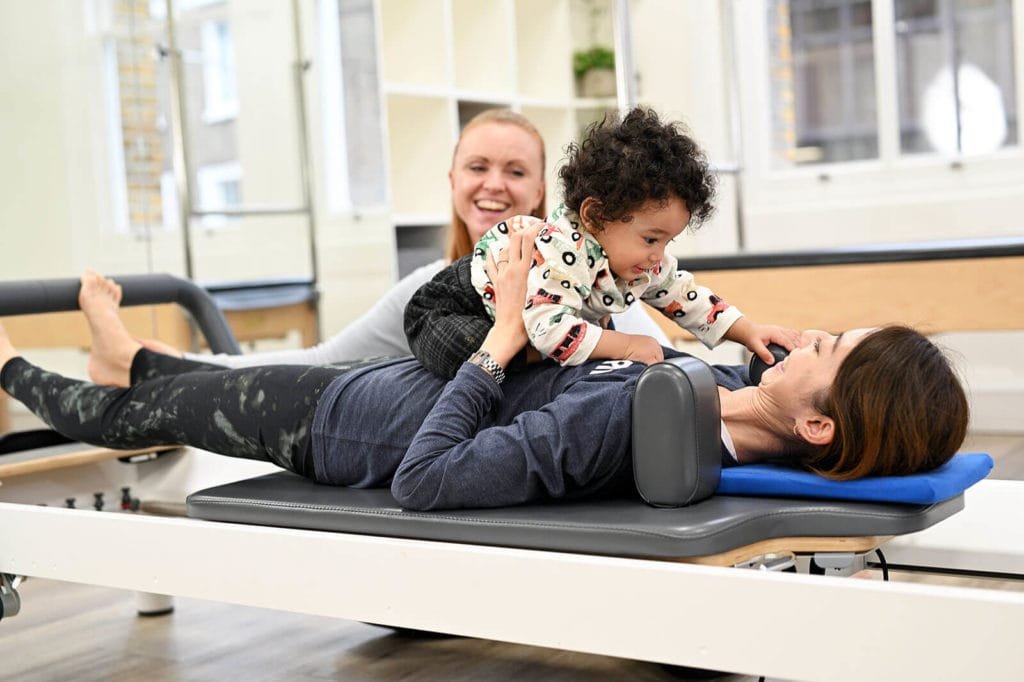
Episode Number 10: The Post-Natal Edition with Clare Pacey
The final part in our series with Pelvic health physiotherapist Clare Pacey which centres around your journey through pregnancy.
In this final episode, we talk with Clare about the importance of rehab after giving birth and allowing your body time to recover.
Clare also discusses why it may be important to see a pelvic health or women’s health physio, and how you can get back to running safely.
Key Takeaways
- Postnatal Recovery Takes Time – pregnancy and birth place significant demands on your body. Giving yourself time to recover and following an appropriate rehabilitation plan can help you return to movement and exercise safely.
- Rehabilitation Should Be Personal to You – there is no single postnatal recovery plan that works for everyone. Your return to exercise will depend on your pregnancy, birth experience, current strength and individual goals.
- Pelvic Health Physiotherapy Can Support Your Recovery – seeing a pelvic or women’s health physiotherapist can help you better understand how your body is recovering. They can also guide your rehabilitation and help you work towards returning to exercise with confidence.
- Breathing and Strength Training Are Important – breathing and progressive strength training both have a role in postnatal rehabilitation. The podcast explores how these can be incorporated as you gradually rebuild strength and return to regular activity.
- Returning to Running Requires Preparation – running is a higher-impact activity and should be approached gradually after giving birth. Building your strength and preparing your body for the demands of running can help you return more safely and confidently.
Join the newsletter
Good news stories, exercise tips and short classes. One email a month.
What Our Experts Say
Postnatal recovery should not be treated as a race to return to your previous exercise routine. Taking the time to rebuild strength, coordinate your breathing and gradually prepare for higher-impact activities can make the process safer and more manageable. Because every pregnancy and birth experience is different, rehabilitation should always be tailored to the individual.
FAQs
1. Why is postnatal rehabilitation important?
Pregnancy and childbirth place significant demands on the body, so it is important to allow sufficient time for recovery. A gradual rehabilitation programme can help you rebuild strength, improve movement and prepare your body for everyday activities and exercise.
2. When can I return to exercise after giving birth?
There is no single timeline that is suitable for everyone. Your return to exercise should reflect your birth experience, recovery, symptoms and previous activity levels. Starting gently and increasing the challenge gradually can help your body adapt safely.
3. How can a pelvic health physiotherapist support postnatal recovery?
A pelvic health physiotherapist can assess your individual recovery and help you understand which exercises are appropriate for you. They can also provide guidance on rebuilding strength and progressing towards personal goals such as returning to the gym or running.
4. Why is breathing important during postnatal exercise?
Breathing works alongside the abdominal and pelvic-floor muscles to support movement and manage pressure within the body. Learning to coordinate your breathing with exercise can therefore be an important part of rebuilding strength and control after giving birth. The role of breathing in postnatal rehabilitation is one of the subjects explored in the podcast.
5. How should I prepare to return to running after giving birth?
Running is a higher-impact activity, so it is sensible to rebuild strength and general exercise tolerance before returning to it. Your progress should be gradual and guided by how your body responds. A pelvic health assessment may also help determine whether you are ready and identify areas requiring further rehabilitation.
Feeling Inspired?
If you want to experience the Complete difference and discover the benefits of one-to-one or small group Pilates, book a session at one of our London or Norfolk studios today. Not able to make it to one of our studios? We've got online options to suit you anywhere, anytime.
Our physiotherapist-led Chelsea Pilates studio, our Angel Pilates studio, our Pilates studio in London City, and our Norfolk Pilates studio in East Anglia, offer a highly tailored approach to your Pilates training. Whether your goal is to manage a health condition, rehabilitate from an injury or to improve your strength and fitness, Complete Pilates is the studio for you.
Education is Key
These blogs are designed to give information to everyone, however, it is important to remember that everyone is different! If you have not seen one of our therapists and have any questions about injuries, what you have read or whether this may be useful to you, please just ask. We are more than happy to help anyone and point you in the right direction. Our biggest belief is that education is key. The more you understand about your injury, illness and movement, the more you are likely to improve.
If you are not sure whether this is for you, simply get in touch. We are here to help!
Published 7 Dec 2020 · Updated 3 Aug 2026