What We Learned from the Next Stage of Polestar Pilates Training
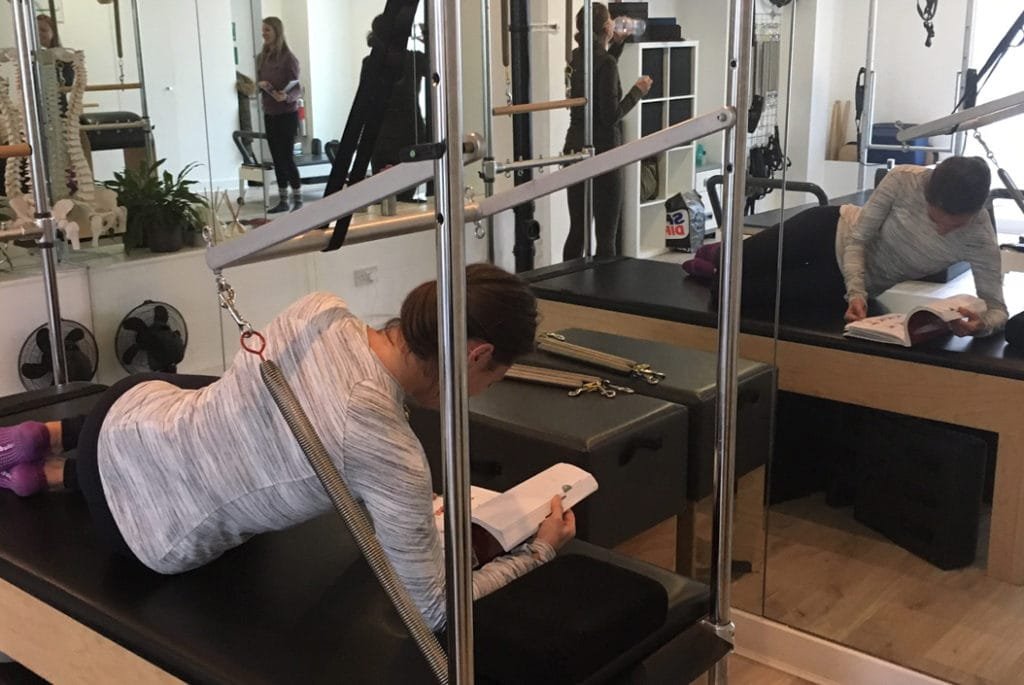
This is the second blog in our series exploring the Polestar Pilates training journey and how the course develops over time.
After the initial introduction to the method, the second and third training weekends start to build on the foundations. These stages go deeper into movement teaching, observation, cueing, imagery and the difference between simply performing an exercise and truly understanding how movement works.
One of the biggest lessons from this stage of the course is that becoming a good movement teacher takes time. It is not simply about memorising exercises or knowing the order of a repertoire. To teach movement well, we need to understand it, practise it, feel it in our own bodies and observe how different people respond to it.
This is one of the reasons Polestar training is so detailed. It encourages students to reflect, practise and develop a deeper understanding of how the body moves, rather than simply teaching exercises by instruction.
Learning Takes Time
A key theme during this stage of training was the importance of giving ourselves time to learn.
To become effective Pilates teachers, we must not only understand movement intellectually but also experience it physically. Our bodies reflect what we have done with them, and movement patterns do not change instantly.
This means practice is essential.
It can feel reassuring to remember that it takes time to truly know the exercises. We need to practise, observe, reflect and repeat. The more we explore an exercise, the more we understand how it feels, where it can go wrong, how it can be modified and how different clients may experience it.
At Complete Pilates, we are lucky to work in a studio environment where learning from each other is part of the culture. Instructors from different Pilates backgrounds regularly share ideas, clinically reason through case studies and practise together. This creates a supportive environment for continued learning.
However, even in a studio where practice opportunities are accessible, fitting in practice time can still be a challenge. For anyone undertaking Pilates teacher training, it is important to have a clear plan for when, where and how they will practise.
The Importance Of Imagery In Pilates
One of the biggest themes in this stage of Polestar training is imagery.
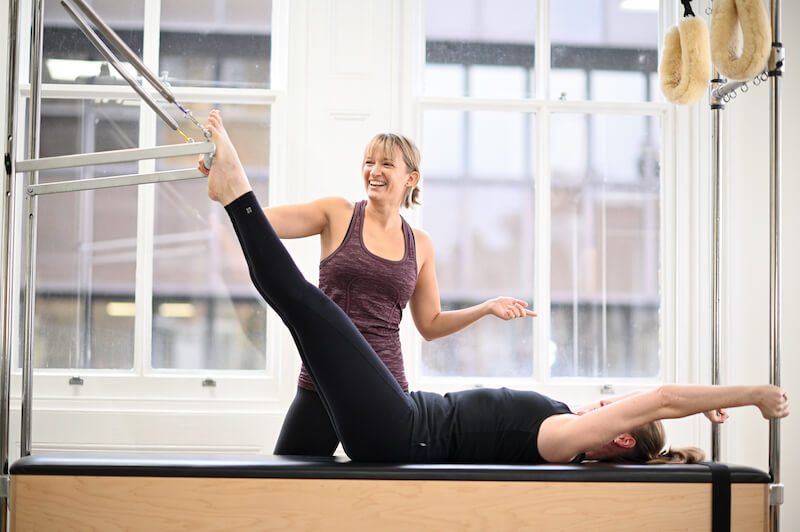
Imagery is a powerful teaching tool because it helps clients understand and experience movement in different ways. Not everyone responds to the same cue. Some people connect well with anatomical language, while others respond better to visual images, metaphors or sensations.
For example, one client may understand a spinal movement best when we describe the joints gliding or the vertebrae moving one by one. Another may respond better to an image such as “rolling the spine down like a string of pearls.”
Both cues may be aiming for the same movement, but they access understanding in different ways.
This is where teaching becomes more than simply giving instructions. Good cueing helps people connect their brain to their body. It can change how they organise movement, reduce unnecessary tension and improve control.
The Importance Of Imagery In Pilates
One of the biggest themes in this stage of Polestar training is imagery.
Imagery is a powerful teaching tool because it helps clients understand and experience movement in different ways. Not everyone responds to the same cue. Some people connect well with anatomical language, while others respond better to visual images, metaphors or sensations.
For example, one client may understand a spinal movement best when we describe the joints gliding or the vertebrae moving one by one. Another may respond better to an image such as “rolling the spine down like a string of pearls.”
Both cues may be aiming for the same movement, but they access understanding in different ways.
This is where teaching becomes more than simply giving instructions. Good cueing helps people connect their brain to their body. It can change how they organise movement, reduce unnecessary tension and improve control.
Why Pilates Teaching Is More Than Exercise Instruction
This is one of the reasons Pilates teaching is so powerful.
A good teacher is not just reading out exercise instructions. They are observing how the client moves, choosing the right cue, adapting the exercise and helping the person understand their own body.
The same Pilates exercise may need to be taught in several different ways depending on the client. Someone with back pain, a dancer, an office worker and a postnatal client may all need different cues, even if they are doing a similar movement.
This is where clinical reasoning, observation and communication become essential.
At Complete Pilates, this is a key part of our approach. We want clients to understand why they are doing an exercise and how it relates to their own movement goals, whether that is reducing pain, improving posture, returning to sport or simply moving with more confidence.
Fixation V Core Control
Another important theme from this stage of training was the difference between fixation and core control.
One of the Polestar principles is axial elongation and core control. However, core control is often misunderstood.
Many people think core control means bracing the abdominals, gripping the pelvic floor or holding the body rigid. In reality, this can create fixation rather than functional support.
Fixation may make us feel strong temporarily, but it often reduces movement quality. It can limit breathing, restrict mobility and create unnecessary tension. It may also trigger a stress response in the body, making movement feel effortful or rigid.
Core control, on the other hand, should create support without stiffness. It should allow the body to move efficiently, breathe well and respond to changing demands.
Why Over-Cueing Can Be A Problem
One of the most valuable teaching lessons from this stage of training was the idea of withholding information.
As teachers, it can be tempting to give clients lots of cues. We want to help, correct and explain. However, too many cues can overwhelm the client and make movement feel more complicated than it needs to be.
Sometimes, less information is more effective.
A single clear cue may allow the client to explore and feel the movement, whereas multiple corrections may cause them to overthink and lose flow.
This is a skill that develops with experience. The teacher needs to decide what information is essential in that moment and what can wait. This allows clients to discover movement rather than simply follow instructions.
Movement Is Physical, Mental And Emotional
A recurring theme throughout Polestar training is that movement is not just physical. It is also mental and emotional.
The way we move can affect how we feel. Equally, how we feel can affect the way we move.
If someone moves with rigidity, fear or tension, their body may feel restricted and less stable. If they are guided towards more fluid, supported movement, they may feel calmer, stronger and more confident.
This is one of the reasons Pilates can be so beneficial. It gives clients the opportunity to slow down, notice their body and develop a different relationship with movement.
Why Continued Learning Matters
Pilates teacher training is only the beginning.
The real learning continues through practice, observation, teaching, reflection and collaboration. Every client teaches us something different. Every body moves differently. Every exercise can be explored in more depth.
This is why continued professional development is so important. It allows teachers to refine their skills, improve their understanding and offer better support to clients.
At Complete Pilates, we value ongoing learning because it helps us provide thoughtful, individualised and clinically informed Pilates.
Key Takeaways
- Good Pilates teaching takes time to develop, requiring practice, reflection and a deep understanding of movement.
- Imagery is a powerful cueing tool, helping clients connect their brain and body in a way that can improve movement quality.
- Core control is not the same as fixation, and true control should create support without unnecessary rigidity.
- Too many cues can overwhelm clients, so clear, simple and well-timed information is often more effective.
- Movement is physical, mental and emotional, and Pilates can help people build a more confident and connected relationship with their body.
Join the newsletter
Good news stories, exercise tips and short classes. One email a month.
Conclusion
The next stage of Polestar Pilates training highlights how much depth there is behind effective movement teaching. Pilates is not simply about learning exercises; it is about understanding how people move, how they learn and how the right cue can completely change their experience of an exercise.
Imagery, observation, practice and reflection all play an important role in helping clients move better. Just as importantly, teachers must learn when to guide, when to simplify and when to allow clients to explore movement for themselves.
At Complete Pilates, this approach fits closely with how we teach. We believe Pilates should be individual, thoughtful and clinically reasoned, helping each client build better awareness, strength and confidence in their own body.
Feeling inspired
If you want to experience the Complete difference and discover the benefits of one-to-one or small group Pilates, book a session at one of our London or Norfolk studios today. Not able to make it to one of our studios? We've got online options to suit you anywhere, anytime.
Our physiotherapist-led Pilates studio in West London, our North London Pilates studio, our Pilates studio in London City, and our Norfolk Pilates studio in East Anglia, offer a highly tailored approach to your Pilates training. Whether your goal is to manage a health condition, rehabilitate from an injury or to improve your strength and fitness, Complete Pilates is the studio for you.
Education is key
These blogs are designed to give information to everyone, however, it is important to remember that everyone is different! If you have not seen one of our therapists and have any questions about injuries, what you have read or whether this may be useful to you, please just ask. We are more than happy to help anyone and point you in the right direction. Our biggest belief is that education is key. The more you understand about your injury, illness and movement, the more you are likely to improve.
If you are not sure whether this is for you, simply get in touch. We are here to help!
FAQs
What is Polestar Pilates?
Polestar Pilates is a Pilates education system that focuses on movement principles, clinical reasoning, body awareness and whole-person movement. It encourages teachers to understand why exercises are chosen, not just how to teach them. The aim of Polestar Pilates is to create teaching which have longevity in their practice and understand boundaries and self development.
Why is imagery used in Pilates?
Imagery is used in Pilates because it can help clients understand movement in a more intuitive way. Visual or metaphorical cues can sometimes create a clearer physical response than anatomical instructions alone. It is importune tot understand that this works for some people but generally only those who are more visual learners. If this is not you it is important to recognise your learning style and for the instructor to work with you.
What is the difference between core control and bracing?
Core control provides support while still allowing the body to move and breathe. Bracing or fixation creates rigidity, which can restrict movement, increase tension and make exercises feel less efficient. During core control, you are looking to line up the bones, so that the muscles and work efficiently and effectively.
Can too many Pilates cues be unhelpful?
Yes. Too many cues can overwhelm clients and make movement feel complicated. A clear, simple cue often helps clients focus and move more naturally. You can often see this when an instructor says a lot of words and when they stop, the client doesn't move. This is because they aren't actually sure what is being asked of them! Try to stick to just the necessary cues first as this will ensure the client starts moving and you can see what their strategy is. This allows you to give appropriate cues, based on the person in front of you, rather than just parroting things that you have heard others say.
Why is Pilates teacher training so detailed?
Pilates teacher training is detailed because effective teaching requires more than knowing exercises. Teachers need to understand movement, observe different bodies, adapt exercises and communicate in a way that helps clients move safely and confidently. They need to be able to adapt this to a range of people, for a range of levels and whilst understanding their scope of practice. Clinical Pilates is a step up from this as the instructors also need to understand pathology, anatomy and have a group of people around them that they can refer to as needed.
Published 20 Mar 2019 · Updated 5 Jul 2026