6 Post-Marathon Recovery Tips for Runners
Marathon Recovery: 6 Top Tips
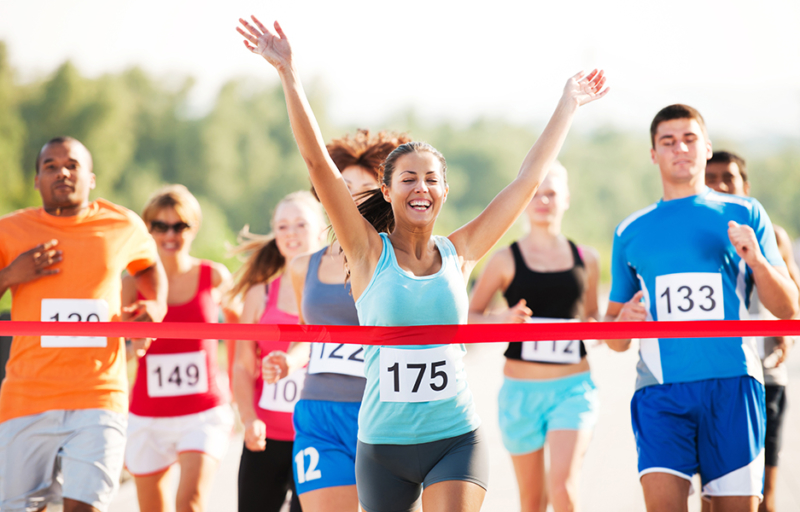
The big marathon has come and gone.
You’ve implemented our last-minute marathon running tips and completed the mammoth 26.2 miles. Now is the time to congratulate yourself and marvel at the huge feat you’ve accomplished. Or is it?
Don’t kick back and relax just yet because now is also the time to start the post-marathon recovery plan.
You’ve probably devoted ages to working out your training schedule, putting together a good diet plan, and perhaps even planning your race outfit.
But did you put the same amount of thought into devising a recovery plan after the marathon?
Even though the running part of the marathon is done and dusted, you now need to put in the time to protect your body from sickness and injury.
To help you navigate this process, our expert team of Physios and clinical Pilates teachers have put together 6 of the best ways to recover from the marathon.
Our 6-point Post-Marathon Recovery Plan:
Post-Marathon Recovery Tip 1. Hydrate
Before you reach for that celebratory glass of fizz, focus on rehydration.
The best way to do this is to sip water little and often and avoid diuretics such as caffeine and alcohol. You can check if you are sufficiently hydrated by checking your urine; if it is a dark yellow colour then you need to up your intake.
It can also be a good idea to include an electrolyte tab in your water to replenish those vital vitamins and minerals lost during that sweaty run.

Marathon Recovery Tip 2. Keep Moving
As tempting as it might be to chill out on a sofa or stay in your desk chair for the next week – don’t do it!
Experts recommend that you rest for between 26 – 42 days following a marathon, depending on whether they suggest a rest day for each mile or each kilometre covered. But by “rest” they don’t mean do nothing.
Instead, in the days immediately following the marathon it is important to keep moving as this will help combat muscle stiffness. Gentle, low-impact exercises such as swimming, walking or Pilates are all good choices to help with this. For those of you who are desk-bound for most of the day at work, it is also advisable to get up and move around every 15-30 mins.
Only return to gentle jogging once you’ve given yourself at least a few days to get over the fatigue and muscle aches. Keep to a low level of intensity for your workouts whilst your body continues to return to normal.
Marathon Recovery Tip 3. Get Some Treatment
Most people will feel some muscle soreness after such a long run, regardless of their level of fitness. And, even if you’re not feeling it right now, delayed onset of muscle soreness (DOMS) can kick in days later.
To help reduce the discomfort associated with DOMS, a gentle soft tissue sports massage might be a good investment. Increasing blood flow to the muscles in this way can speed up your recovery time and reduce inflammation.
Intensive training and long runs – like the kind you do for the marathon – also take their toll on the nervous system. A gentle massage can help with calming your mind and body, and will give your over-stimulated nervous system a break.
It might also be worth directing some attention to your feet. They’ve worked hard too and are probably in need of some massage therapy. You can use a small ball for self-massage in this area – just be gentle and don’t apply too much pressure.
Marathon Recovery Tip 4. Give Running a Break
Running for 26 miles puts an enormous amount of strain on your joints, muscles and adrenal system.
So whilst you might want to get back on the road straight away, it might be a good idea to try alternative forms of exercise to support your body during the recovery period.
Machine Pilates can be a great option for post-marathon runners. This is because equipment Pilates is a low-impact form of exercise that strengthens and stretches muscles without putting stress on joints. This is because the equipment can support your body weight or the weight of your limbs, which reduces the load when you are exercising.
Related reading: Types of Pilates Equipment
Post-marathon Pilates is great for the following:
- Active recovery: Pilates gets your blood circulating and helps your muscles recover faster from the marathon's tough workout.
- Reducing discomfort: after running over 26 miles, your muscles might stiffen up. Pilates will help you get gently moving and stretching it's just what you need to relieve muscle soreness and feel more mobile.
- Injury prevention: running a marathon puts a lot of strain on your joints and muscles. Recovery time is the perfect time to start working on gentle strength that targets the stabilising muscles that help to make your body move more efficiently and help to reduce injury risk. By the time you are ready to get back into running training, you will have started working on a good routine to help you move more efficiently.
- Mental relaxation: running a marathon can be mentally challenging. Pilates can be calming, helping you to take it easy. It's like a zen session to chill out your mind and feel good.
- Cross-training benefits: think of Pilates as a great way to mix up your post-marathon routine. It's like giving your body a change of scenery and letting it try out something different.
Find out more about the 1-2-1 sessions we offer at Complete Pilates.
Related reading: Pilates for runners.

Marathon Recovery Tip 5. Refuel
You needed to eat the right food to fuel your run. Now you need to support your body’s recovery through a good diet.
To help repair muscles and restore your energy levels it is important to eat sufficient amounts of carbohydrates and protein-rich foods. Lean meat, nut butter, Greek yoghurt and grains such as brown rice and whole-grain bread are all excellent sources.
It is also important to keep up a healthy and varied diet in the days and weeks that follow the marathon. This will support – and speed up – your recovery.
Marathon Recovery Tip 6. Sleep
An increasing body of research shows that adequate sleep is important for the body to heal and repair. So whilst you might feel like going out on the town to celebrate and make the most of not having to get up so early to train…..don’t count on having loads of late nights just yet.
And finally, remember to high five yourself! You’ve achieved something amazing and you should feel proud.
Recovery is the time to be good to yourself. Use it is as a way to thank your body for seeing you through such an epic and unforgettable challenge.

After a marathon, your body needs time to recover from the load of 26.2 miles. This does not mean doing nothing, but it does mean being thoughtful with how you move, refuel and return to training.
Pilates can be a great option during marathon recovery because it is low impact, helps restore mobility and supports the muscles that runners often underuse. It is not about replacing running, but helping your body recover well so that, when you do return to running, you feel stronger, more mobile and more efficient.
What Our Experts Say
After a marathon, the aim is not to rush back into training, but to help the body recover intelligently. Pilates gives runners a way to move, strengthen and mobilise without adding more impact. It is also a great opportunity to address the areas that may have become tight, weak or overloaded during training.

Conclusion
Completing a marathon is a huge achievement, but recovery is what allows your body to properly absorb the work you have done. Hydrating well, refuelling, sleeping, moving gently and taking a break from running can all help you return to training feeling stronger rather than depleted. Pilates is a particularly useful recovery tool for runners, offering a low-impact way to rebuild strength, restore mobility and prepare your body for the next goal.
Key Takeaways
- Marathon recovery starts as soon as you cross the finish line. Hydration, nutrition, sleep and gentle movement all help your body repair after the demands of race day.
- Rest does not mean complete inactivity. Walking, swimming and Pilates can help reduce stiffness, restore mobility and support circulation without overloading tired joints.
- Pilates is an excellent post-marathon option. It provides low-impact strength, mobility and control work that can help runners recover while addressing imbalances built up during training.
- Running and Pilates work best together. Running is generally more calorie-demanding, while Pilates supports strength, posture and movement efficiency, making it a valuable part of a balanced training plan.
- Comfort matters in Pilates. Running shorts are fine, but fitted shorts or leggings may be more practical for exercises on the mat or equipment.
Join the newsletter
Good news stories, exercise tips and short classes. One email a month.
Feeling Inspired?
If you want to experience the Complete difference and discover the benefits of one-to-one or small group Pilates, book a session at one of our London or Norfolk studios today. Not able to make it to one of our studios? We've got online options to suit you anywhere, anytime.
Our physiotherapist-led Pilates studio in West London, our North London Pilates studio, our Pilates studio in London City, and our Norfolk Pilates studio in East Anglia, offer a highly tailored approach to your Pilates training. Whether your goal is to manage a health condition, rehabilitate from an injury or to improve your strength and fitness, Complete Pilates is the studio for you.
Education is Key
These blogs are designed to give information to everyone, however, it is important to remember that everyone is different! If you have not seen one of our therapists and have any questions about injuries, what you have read or whether this may be useful to you, please just ask. We are more than happy to help anyone and point you in the right direction. Our biggest belief is that education is key. The more you understand about your injury, illness and movement, the more you are likely to improve.
If you are not sure whether this is for you, simply get in touch. We are here to help!
FAQs
1. Can Pilates help with marathon recovery?
Yes. Pilates can support active recovery by encouraging gentle movement, improving mobility and strengthening the stabilising muscles that help runners move more efficiently.
2. How soon after a marathon can I do Pilates?
This depends on how you feel, but gentle Pilates can often be introduced once the initial soreness and fatigue have settled. Start with low-intensity mobility and supported exercises before returning to more challenging sessions.
3. Should I run or do Pilates after a marathon?
In the first few days after a marathon, Pilates, walking or swimming may be better options than running because they are lower impact. Running can be gradually reintroduced once soreness, fatigue and heaviness have reduced.
4. Can I wear running shorts to Pilates?
Yes, you can wear running shorts to Pilates as long as you feel comfortable and can move freely. Fitted shorts underneath or leggings may be more practical for exercises where your legs are raised or you are using equipment.
5. Is Pilates or running better for weight loss?
Running typically burns more calories per session, but Pilates can support weight loss, along with other lifestyle modifications, by building strength, improving movement quality and helping you stay consistent with exercise. For most people, the best approach is a combination of regular movement, strength work and good nutrition.
Published 26 Jul 2023 · Updated 28 Jul 2026