Expert Tips For Setting New Year’s Intentions

Making a New Year’s resolution can be a great idea – especially if the resolution is to improve your health and wellbeing through doing more exercise like Pilates or Yoga, or by giving up a bad habit.
But most people find sticking to these resolutions difficult. In fact, while a third of Britons make a New Year’s resolution each year, research shows that 88 per cent fail to stick to them.
So, instead of a resolution this year, why not try setting an intention. Intentions tend to focus on the short term, which makes them easier to keep.
Of course, even with an intention creating positive change in your life will be challenging. But using the intention process, which involves reinforcing your goals daily, can help.
Want to find out how to make positive changes this year? Then read on and discover some expert tips for setting New Year’s intentions.
How to set an intention
Setting your intention in the right way is important. Here Lodro Rinzler, author of The Buddha Walks into a Bar and co-founder of MNDFL NYC meditation studios, describes a simple exercise for intention setting.
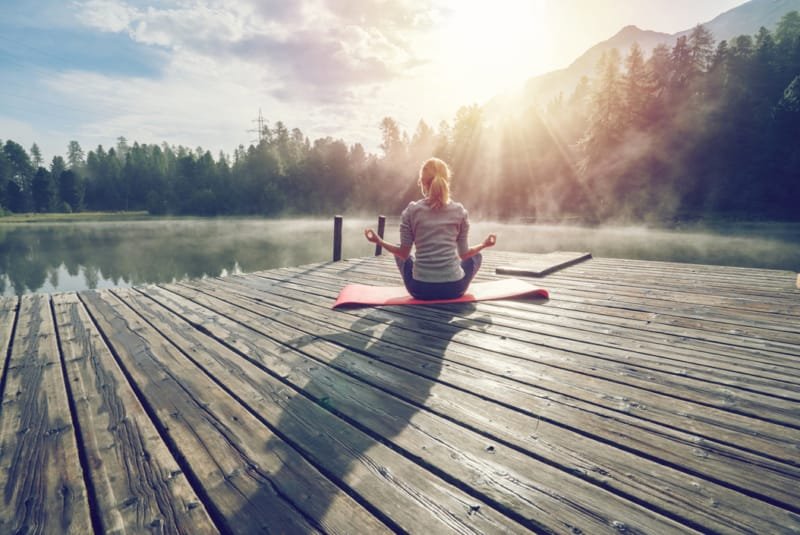
Start by sitting up straight, taking a few minutes to check in with your body.
Notice where you are tense and allow those muscles to relax. Once you are settled, turn your mind to the physical sensation of your breathing. Tune into the natural flow of both your in-breath and your out-breath.
After three or so minutes of this meditation, silently ask yourself, “What is my motivation for change in this new year?”
Notice what answers arise in response to the question, let them wash over you like a wave, and then come back to asking it again. Some might feel canned or corny, others more authentic and relevant to your situation.
After a few minutes, drop the question itself and just return to your breath, letting your mind ride on that natural reminder of the beauty of this present moment.
If you want to keep your intention then you’ll need to write it down, says Diana Raab, Ph.D. Author of Writing for Bliss: A Seven-Step Plan for Telling Your Story and Transforming Your Life.
Consider noting your intention in your journal. You might begin by writing: “My intention for today is directed toward my highest good. My intention unfolds or manifests in the best possible way. My intention is to...
How to achieve your intention
To achieve your intention, you need to detach from the outcome. Deepak Chopra, MD. co-founder of Chopra Centre for Wellbeing, the founder of the Chopra Foundation, and pioneer in integrative medicine, explains why:
Relinquish your rigid attachment to a specific result and live in the wisdom of uncertainty.
Attachment is based on fear and insecurity, while detachment is based on the unquestioning belief in the power of your true Self.
Intend for everything to work out as it should, then let go and allow opportunities and openings to come your way.
If you want to successfully keep your intention, release your intentions and desires, Chopra says:
Once you’re established in a state of restful awareness, release your intentions and desires.
The best time to plant your intentions is during the period after meditation, while your awareness remains centred in the quiet field of all possibilities.
After you set an intention, let it go—simply stop thinking about it. Continue this process for a few minutes after your meditation period each day.
Stick to your intentions by reminding yourself of them daily, says Kelsey Patel, meditation teacher, reiki master, intuitive healer, EFT specialist, yogi, and spiritual empowerment coach.
Setting an intention is activating a part of your receptivity. If you were to go out in the day, and not have set any intention or created any type of prayer or manifestation of how you want the day to go, then you’re getting on a bike with no direction.
This can be great sometimes because you’re allowing fate to happen to you, but if you know that you want to get somewhere, the power of setting an intention is going to help you get there.
Setting intentions is a great way of helping with stress management If you find yourself getting stressed, or aren’t sure how to manage stress why not try Pilates.
What Our Experts Say
Intentions work well because they encourage consistency without the pressure of being perfect. In Pilates, we see this all the time — small, regular actions lead to meaningful change. Whether your goal is to reduce stress, move with more ease or build strength, setting an intention can help you stay connected to why you started.

Conclusion
New Year’s resolutions often fail because they can feel too big, too strict or too focused on one final outcome. Setting an intention offers a gentler and more sustainable approach. By taking time to reflect, write down what matters to you and return to your intention regularly, you can create positive change without the pressure of perfection. Whether your intention is to move more, feel calmer or look after your body better, Pilates can be a supportive way to bring that intention into your everyday routine.
Key Takeaways
- Intentions can feel more achievable than resolutions. Rather than focusing on big, rigid goals, intentions encourage small, meaningful actions that can be revisited daily.
- Mindfulness helps clarify what you really want. Taking time to pause, breathe and reflect can help you set goals that feel personal, realistic and connected to your wellbeing.
- Writing your intention down can make it more powerful. Journaling or noting your intention helps reinforce it and keeps it at the front of your mind.
- Letting go of perfection is key. Intentions are not about getting everything right; they are about gently guiding your choices and returning to your goals when life gets busy.
- Pilates can support positive change. A regular Pilates practice offers structure, mindful movement and time to reconnect with your body, making it a useful tool for managing stress and building healthier habits.
Join the newsletter
Good news stories, exercise tips and short classes. One email a month.
Feeling Inspired?
If you want to experience the Complete difference and discover the benefits of one-to-one or small group Pilates, book a session at one of our London or Norfolk studios today. Not able to make it to one of our studios? We've got online options to suit you anywhere, anytime.
Our physiotherapist-led Chelsea Pilates studio, our Angel Pilates studio, our Pilates studio in London City, and our Norfolk Pilates studio in East Anglia, offer a highly tailored approach to your Pilates training. Whether your goal is to manage a health condition, rehabilitate from an injury or to improve your strength and fitness, Complete Pilates is the studio for you.
Education is Key
These blogs are designed to give information to everyone, however, it is important to remember that everyone is different! If you have not seen one of our therapists and have any questions about injuries, what you have read or whether this may be useful to you, please just ask. We are more than happy to help anyone and point you in the right direction. Our biggest belief is that education is key. The more you understand about your injury, illness and movement, the more you are likely to improve.
If you are not sure whether this is for you, simply get in touch. We are here to help!
FAQs
What is the difference between a resolution and an intention?
A resolution often focuses on a specific outcome, such as losing weight or exercising every day. An intention is usually more flexible and focuses on how you want to feel, behave or support yourself day to day.
Why are intentions easier to keep than resolutions?
Intentions tend to be less rigid. They allow you to make small choices that support your wellbeing rather than feeling like you have failed if you miss one workout or have an off day.
How do I set a New Year’s intention?
Start by taking a few quiet minutes to breathe and reflect. Ask yourself what you need more of in the year ahead, then write down a simple intention that feels realistic and meaningful to you.
Can Pilates help me stick to my intention?
Yes. Pilates can provide routine, structure and a regular opportunity to check in with your body. It can also help reduce stress, improve body awareness and support a more balanced approach to exercise.
What is a good intention for starting Pilates?
A good intention could be: “I want to move my body with more care,” “I want to feel stronger and more confident,” or “I want to create time each week to look after my wellbeing.” The best intention is one that feels personal and achievable.
Published 31 Dec 2018 · Updated 12 Jul 2026