Pilates for Injury Rehabilitation and After Surgery
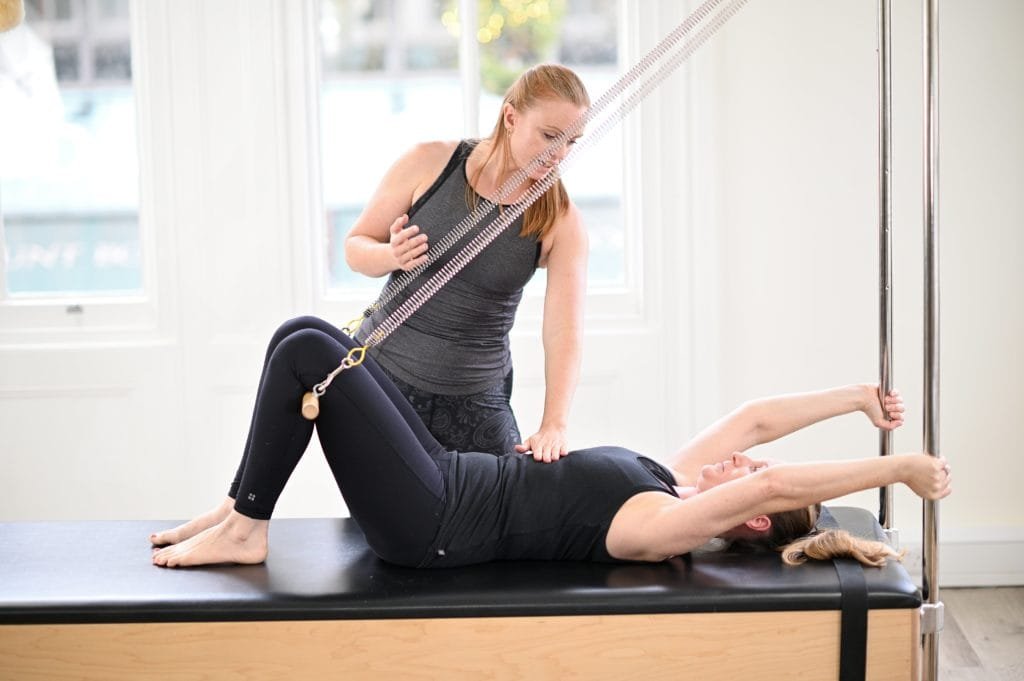
Injury recovery through Pilates: Pilates is famous for toning abs and creating strong, lean muscles. Elite sports men and women also swear by its ability to improve sports performance.
But few people know that Pilates has another important application -injury rehabilitation.
Join the newsletter
Good news stories, exercise tips and short classes. One email a month.
It’s an effective use of the method. Evidence shows that certain types of Pilates (Clinical Pilates) can help with everything from back pain to recovery after a stroke. The reasons why Pilates is effective for injury recovery are hardly surprising, however, when you consider the origins of this method. After all, Joseph Pilates did develop the method while captive in a WW1 internment camp to help sick inmates return to health.
Almost a century after its invention, health professionals (including surgeons) are starting to recognise the advantages of Pilates. For them, it’s now an important part of the recovery process for their patients. But you needn’t be suffering from a serious injury to use this method. Even if it’s “only a niggle”, regular sessions of Pilates still offer huge benefits.
Read on and discover why Clinical Pilates for injury recovery is so effective, and how exactly it can work for you.
Why Is Pilates So Effective For Injury Recovery?
Fixes Muscular Imbalances
Pilates addresses muscular imbalances, which can often be the cause of injuries. It does this through a focus on unilateral movements. In basic terms, this means exercises that work one side at a time. Exercising in this way helps develop even muscles on both sides of the body.
An instructor watching you move will identify imbalances in your body and correct form. You’ll then be given exercises to correct discrepancies in strength. Not only will this deal with the current injury, but it should help lessen the chance of another injury on your body in the future.
Improves Posture
For improving posture – another common cause of injury – Pilates can be a great choice. Take the hunched posture many of us suffer from after being slumped at our computer at work. Being seated all day means that your hip flexors become shortened and your glutes and abdominals weaken. Your neck – because of your forward head position – can also become compromised. All of this can leave your spine, hips and knees more vulnerable to pain and injury.
Pilates’s focuses on strengthening the glutes and back, and mobilising the spine to improve alignment. Machine-based Pilates is also effective for solving postural issues. The reformer and trapeze table, for example, provide important feedback – feedback you wouldn’t get from a mat. Over time, repeating basic exercises like reformer footwork (effectively a squat performed lying down) can help you to find a neutral, healthy alignment.
Teaches Good Movement Habits
The equipment is also particularly helpful when it comes to retraining bad movement patterns.
How does it do this? The design of the Pilates equipment (with pedals, pulleys and springs) creates a controlled and supportive exercise environment.
This allows an instructor to break down your movements and see where you might be going wrong. Once they’ve established the problem, the instructor can then give you cues to improve poor movement strategies. At the same time, the equipment itself also helps to prevent you from recruiting the wrong muscles and encourages you to engage the right ones.
Once this initial part of the process has been successful, it’s time to challenge what you’ve learnt. This can be done using the machines and by introducing mat exercises. The latter is particularly helpful for reinforcing new habits because these exercises are performed without any added support.

Stabilises the Body
As well as fixing poor movement strategies, Pilates is effective for restoring normal muscle function. This is particularly important when it comes to activating the deep stabilisers after an injury.
These muscles perform an important job in the body: they keep joints in the most stable position. The deep stabilisers around your pelvis and spine, for example, are vital for supporting these structures and preventing injury to them. When they don’t work effectively, problems like lower back and groin pain can be the result.
Without the support of these deep stabilisers, the body also creates compensatory patterns. This means that the deep stabilisers are needed for efficient movement.
Given the important role they play, ensuring these deep muscles are firing properly is essential for injury recovery. Unfortunately, pain caused by injury can prevent these muscles from functioning properly. Worse still, even if the pain subsides, these stabilisers can stay switched off.
But Pilates, with its emphasis on precision and control, is designed to target these muscles. This means that practising this method regularly (and particularly exercises like femur arcs and dead bugs) can help these muscles function optimally.
Supports your Mind
When you’re suffering from an injury or recovering from surgery, working on your mind is probably the last thing on your to-do list. But it may be worth considering as studies have shown that psychological factors play an important role in injury recovery.
According to these studies, mental distress increases the time wounds take to heal. Other reports also reveal that stressing about your injury is likely to intensify the pain and delay recovery.
But Pilates can support this aspect of your rehabilitation by reducing your stress levels. How? Pilates is a mindful form of movement that encourages you to sync your breath with your movement. In practising it, you can soothe both body and mind.
By focusing on what your body is experiencing in that movement – something Pilates forces you to do – you’ll also gain body awareness. Concentrating in this way has a calming effect on your nervous system. But that’s not it's only benefit. Through it, you will be able to identify when you are moving well and when you need to make corrections. Like when you find yourself hunched over your phone on the walk to work!
Connecting to your body through Pilates will reinforce the good habits you learn in the studio in your everyday life. This is important for injury rehabilitation, and might help you avoid sustaining other injuries.

What Kind Of Pilates Should I Be Doing?
When you’re well there is a lot to be gained from practising the various types of Pilates out there.
But it’s a different story when you’re hurt. If you’re using Pilates to recover from an injury (and after seeking advice from a medical professional), it’s important that you take lessons from an experienced Clinical Pilates instructor. These Pilates instructors (like the team at Complete Pilates) have undergone rigorous training and are highly skilled in the field of injury rehabilitation and post surgery.
This kind of Pilates will usually take place with studio equipment. And this is great for people with injuries – because the Pilates machines are the best place to start the recovery process.
For those needing Pilates for rehabilitation reasons, it’s also advisable to start with one–to–one sessions, rather than group classes. During these sessions, an instructor will be able to identify any muscular imbalances, or faulty movement patterns. They’ll then tailor-make a programme that is just for you and your injury – and watch you to make sure you perform these exercises properly. Learn more about Physio-led Pilates.
Unlike in a group class, in one-to-one Pilates sessions you can avoid any exercises that might worsen your symptoms. And, best of all, you’ll only practise exercises that are designed to heal your injury. This should speed-up your recovery.
Book in today with one of our Clinical Pilates instructors, whether you’re suffering from an injury or recovering from surgery we’ll be able to advise and create a tailor made plan to help you on your road to recovery.
What Our Experts Say
Successful rehabilitation is about retraining how your body moves, not just reducing pain. Clinical Pilates helps restore strength, stability and movement control, allowing you to recover safely while lowering the risk of future injury.
Conclusion
Recovering from an injury is about more than simply waiting for pain to settle. Restoring strength, movement quality and confidence is essential for returning to everyday activities and reducing the risk of future injury.
Clinical Pilates provides a safe, progressive approach to rehabilitation by addressing the underlying causes of pain while improving posture, stability and movement patterns. With guidance from a qualified instructor, it can become an important part of your recovery journey.
Key Takeaways
- Clinical Pilates is an effective tool for injury rehabilitation. It helps restore movement, improve strength and support recovery from a wide range of injuries and surgeries.
- Pilates addresses the root cause of many injuries. By correcting muscle imbalances, improving posture and retraining movement patterns, it can reduce the risk of recurring problems.
- Deep stabilising muscles are key to recovery. Pilates focuses on activating the muscles that support your joints and spine, helping you move with greater control and confidence.
- Recovery is both physical and mental. Pilates combines mindful movement with breathing techniques to reduce stress, improve body awareness and support the healing process.
- Individualised rehabilitation delivers the best results. Working with a Clinical Pilates instructor ensures exercises are tailored to your injury, stage of recovery and goals.
Feeling Inspired?
If you want to experience the Complete difference and discover the benefits of one-to-one or small group Pilates, book a session at one of our London or Norfolk studios today. Not able to make it to one of our studios? We've got online options to suit you anywhere, anytime.
Our physiotherapist-led Pilates studio in Chelsea, our Angel Pilates studio, our Pilates studio in City, and our Norfolk Pilates studio in East Anglia, offer a highly tailored approach to your Pilates training. Whether your goal is to manage a health condition, rehabilitate from an injury or to improve your strength and fitness, Complete Pilates is the studio for you.
Education is Key
These blogs are designed to give information to everyone, however, it is important to remember that everyone is different! If you have not seen one of our therapists and have any questions about injuries, what you have read or whether this may be useful to you, please just ask. We are more than happy to help anyone and point you in the right direction. Our biggest belief is that education is key. The more you understand about your injury, illness and movement, the more you are likely to improve.
If you are not sure whether this is for you, simply get in touch. We are here to help!
FAQs
1. Is Pilates good for injury recovery?
Yes. Clinical Pilates is widely used in rehabilitation because it improves strength, mobility, balance and movement control while allowing exercises to be adapted to your injury and stage of recovery.
2. When can I start Pilates after an injury or surgery?
This depends on the type of injury or operation. You should always follow advice from your consultant, physiotherapist or healthcare professional before beginning rehabilitation exercises. Once appropriate, Clinical Pilates can be introduced gradually with a tailored programme.
3. What is the difference between Clinical Pilates and regular Pilates?
Clinical Pilates is delivered by instructors with additional rehabilitation training, often working alongside physiotherapists. Sessions are individually tailored to help manage injuries, chronic pain and post-surgical recovery using evidence-based exercise principles.
4. Can Pilates help prevent injuries from coming back?
Yes. By improving posture, correcting muscle imbalances, strengthening stabilising muscles and teaching better movement patterns, Pilates can help reduce the likelihood of recurring injuries.
5. Is one-to-one Pilates better than group classes for rehabilitation?
For most injuries, one-to-one sessions are the best place to start. They allow a Clinical Pilates instructor to assess your movement, tailor exercises to your condition and safely progress your rehabilitation before transitioning to a group class if appropriate.
Published 15 Jun 2022 · Updated 20 Jul 2026