Pilates for Back Pain: Causes, Treatment and Management
When Harvard Health – the publishing arm of Harvard Medical School – recently released the article “Babying your back may delay healing”, it struck a chord with Complete Pilates.
Back pain is a common problem among our clients. And we, like Harvard Health, believe that, “in many instances the best medicine [for a bad back] is good old-fashioned movement and exercise”. As a result, we spend a lot of time teaching people how to move well for back health using Pilates.
Join the newsletter
Good news stories, exercise tips and short classes. One email a month.
Like the rest of our team, our Clinical Director (a Clinical Pilates instructor and Physiotherapist) Helen O’Leary has a wealth of experience treating back-related problems. So, we asked her to give us her thoughts on the matter. Here she explains why we shouldn’t baby an injured back and how exercise can help with back pain.
Back Pain: A Common Problem
The problem with back pain is that it is not like an ankle sprain. You cannot see the swelling or bruising with this type of injury, which means most people try to ignore the problem. This also means that the level of sympathy you get when you’re suffering with back problems usually isn’t great!
However, it is very much a recognised problem in the UK. In 2017, the Health and Safety Executive in the UK published data which showed that in 2016/2017 38% of all work-related musculoskeletal disorders were back-related. They explained that most people who experience back pain once will go on to have a second episode.
When you look at the numbers, the prevalence of back problems is quite startling. It seems less so, however, when you understand that changes to your spine are a natural part of aging. As Dr Rainville, assistant professor of physical medicine and rehabilitation at Harvard Medical School, says, “degeneration in your spine is a natural part of aging. A bulging disc in some ways, is no different than the wrinkle next to your eye”.
Still, this doesn’t detract from that the fact that back-related issues have a terrible effect on so many people’s lives. We know this to be true, because so many of the clients we see in our studios suffer with the condition. It’s one of the main reasons we decided start research on Pilates for back pain with spine surgeon Alexander Montgomery.

Many Factors Cause Back Pain
Getting moving is an important part of healing your back. Having said that, the wrong type of exercise or bad habits can hinder your progress.
Many of our back-pain clients are going to the gym, yoga, or even Pilates, but are still getting symptoms. Some of this is down to lifestyle factors. If you spend most your time sitting, for example, one hour of exercise a week isn’t going to change much.
This also applies to your diet. Think of that saying: “abs are made in the kitchen”. Meaning, to see physical results you need to invest in a good diet. Well, the same is true of injury recovery. Spending too much time drinking or eating badly and not sleeping can stall your recovery.
Another common problem is doing the wrong kind of exercise. Although any movement is better than none, if you have pain or a confirmed injury, some exercise should be avoided.
For instance, if you spend a lot of time doing group classes you may be performing the same moves repeatedly. This might make you stronger but won’t solve your back problems. Group classes also mean you’re lacking the individual attention you need to change your cycle of movement.
Why does this matter? Well, often, lower back issues are deemed “non-specific”, which means that they are generally down to mechanical problems. This means that you need to change the mechanics of how you move in order to get better – something 1-2-1 Pilates classes can help you with.

Get Strong to Support Your Back
Alongside Pilates, the Complete team are massive advocates of the gym as part of a back-pain solution.
Now, we’re not saying that hitting the gym right now is going to solve your back problems. But, when used in combination with Pilates (and with expert guidance), strength training can create a strong and healthy spine.
This is because learning how to perform certain movements well, like squats and deadlifts, prepares your back for everyday stresses. Think about it: a squat is the same movement you do every time you sit to stand or walk upstairs. While a deadlift is every time you put your child down to bed over their cot side or pick up the shopping from the floor.
And you don’t need to be able to perform these with really heavy weights for them to be effective. Instead, it’s more important to make these movement functional. You can still add challenge, though. Try moving to single leg or unstable surfaces once you have achieved close to body weight.
For those with back problems, it’s advisable to choose variations that don’t stress that area too much. If you’re squatting with 100kgs on a bar, for example, you are loading 100kgs through your spine but only 50kgs through each leg – that’s a lot of pressure on your spine. So, a good alternative to this exercise would be squatting while holding dumbbells. That way you get the benefits of this movement without over-loading your spine.
Movement Can Heal Back Pain
At Complete Pilates, we are big believers in the idea of keeping moving when you have back pain.
And the experts agree with us. Increasingly, big medical groups are backing the use of exercise with this condition. The NHS website, for instance, says that staying as active as possible is one of the most important things that you can do, as well as exercises such as walking, swimming, yoga and Pilates.
The Bottom Line About Back Pain:
The important thing to remember is that nothing works well unless it is done well. And, that one thing on its own is not going to change your pain or mechanics.
Try This Exercise
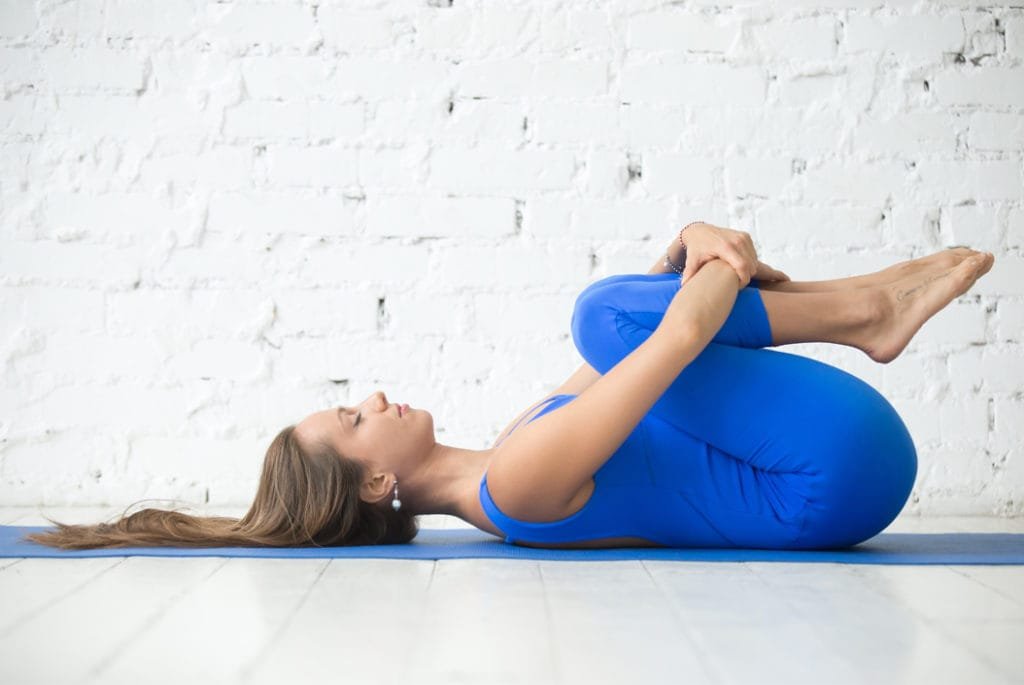
If you want to start exercising for spine health, why not try the basic bridging exercise? You should not get pain when you are doing this exercise, even if you are 10 days post spinal operation. To avoid it, make sure you are engaging your glutes and hamstrings by sending your tailbone to the back of your knees. Reducing your range of movement by only coming up halfway can also help.
Research
The Health and Safety Executive in the UK, 2017:
http://www.hse.gov.uk/Statistics/causdis/musculoskeletal/msd.pdf
“Babying your back may delay healing”: https://www.health.harvard.edu/pain/babying-your-back-may-delay-healing
Are you a golfer or tennis player suffering with a bad back? Click the links to discover why Pilates might be the solution to this problem.
What Our Experts Say
One of the biggest misconceptions about back pain is that rest is the quickest route to recovery. While there are times when activity needs to be modified, most people benefit from staying active and gradually rebuilding strength. Pilates helps improve movement quality and body awareness, while strength training prepares your spine for the demands of everyday life. Together, they create a strong foundation for long-term back health.
Conclusion
Back pain is incredibly common, but it doesn't mean you have to stop moving. In fact, for most people, the right type of movement is one of the most effective ways to recover and reduce the risk of future problems. By combining targeted exercise, strength training and healthy daily habits, you can build a stronger, more resilient spine. If your symptoms persist or worsen, working with a physiotherapist can help identify the underlying cause and create a personalised rehabilitation plan.
Key Takeaways
- Movement is one of the best treatments for most back pain. Staying active and exercising appropriately can support recovery, while prolonged rest may delay healing.
- Back pain is influenced by many factors. Lifestyle habits such as prolonged sitting, poor sleep, stress, diet and exercise choices all play a role in recovery and recurrence.
- Strength is key to a healthy spine. Building strength through Pilates and progressive resistance training helps your back cope better with everyday movements like lifting, bending and climbing stairs.
- Exercise should be tailored to you. The right exercises performed with good technique are far more effective than repeating generic workouts that don't address your individual movement patterns.
- Long-term back health requires consistency. Combining regular movement, strength training, healthy lifestyle habits and expert guidance offers the best chance of reducing pain and preventing future episodes.
Feeling Inspired?
If you want to experience the Complete difference and discover the benefits of one-to-one or small group Pilates, book a session at one of our London or Norfolk studios today. Not able to make it to one of our studios? We've got online options to suit you anywhere, anytime.
Our physiotherapist-led Pilates studio in Chelsea, our Angel Pilates studio, our Pilates studio in City, and our Norfolk Pilates studio in East Anglia, offer a highly tailored approach to your Pilates training. Whether your goal is to manage a health condition, rehabilitate from an injury or to improve your strength and fitness, Complete Pilates is the studio for you.
Education is Key
These blogs are designed to give information to everyone, however, it is important to remember that everyone is different! If you have not seen one of our therapists and have any questions about injuries, what you have read or whether this may be useful to you, please just ask. We are more than happy to help anyone and point you in the right direction. Our biggest belief is that education is key. The more you understand about your injury, illness and movement, the more you are likely to improve.
If you are not sure whether this is for you, simply get in touch. We are here to help!
FAQs
1. Should I exercise if I have back pain?
In most cases, yes. Gentle movement and appropriate exercise are recommended for most types of back pain and can help reduce stiffness, improve strength and support recovery. However, if you have severe pain, neurological symptoms or have been advised otherwise by a healthcare professional, seek medical advice first.
2. Is Pilates good for back pain?
Pilates is widely recommended for many people with back pain because it improves core strength, posture, flexibility and movement control. A tailored one-to-one programme is often the best option if you're recovering from an injury or experiencing ongoing symptoms.
3. Can going to the gym help back pain?
Yes, when done correctly. Strength training can help build a stronger, more resilient spine by improving the muscles that support your back. Learning proper technique and choosing appropriate exercises are essential, particularly if you already have back pain.
4. Why does my back pain keep coming back?
Recurring back pain is often linked to factors such as prolonged sitting, poor movement habits, reduced strength, inadequate recovery, stress or returning to activity too quickly. Addressing these underlying causes can help reduce the likelihood of future episodes.
5. When should I see a physiotherapist for back pain?
If your back pain isn't improving after a few weeks, keeps returning, is affecting your daily activities, or you develop symptoms such as leg weakness, numbness, or changes to your bladder or bowel function, you should seek assessment from a physiotherapist or other healthcare professional as soon as possible.
Published 25 Oct 2018 · Updated 14 Jul 2026