Pilates For Chronic Conditions And Pain
Are you fed up with being in constant pain? Are you tired of feeling much older than you are? Do you want to become more active, but worry that doing too much will leave you needing to rest for the next week?
You are not the only one to feel this way.
At Complete Pilates, we hear this from clients all the time. Living with persistent pain can be exhausting, frustrating and limiting. It can affect your confidence, your mood, your sleep and your ability to do the things you enjoy.
The good news is that movement can help — but it needs to be the right type of movement, at the right level, and progressed in the right way.
Pilates can be a helpful option for people living with chronic musculoskeletal conditions because it focuses on controlled movement, strength, flexibility, posture, body awareness and confidence. It can also be adapted to suit different pain levels, abilities and goals.
A study by Gaskell, Williams and Preece, published in Musculoskeletal Care in 2019, explored the perceived benefits, rationale and preferences of exercises used by Pilates-trained physiotherapists in group exercise programmes for people with chronic musculoskeletal conditions. The findings highlighted several reasons why Pilates may be useful for people living with long-term pain.
Why is this important?
Musculoskeletal conditions affect the muscles, joints, bones, tendons, ligaments and nerves. These include conditions such as back pain, neck pain, osteoarthritis, shoulder pain, hip pain and persistent joint or muscle pain.
In the UK, around 17.8 million people live with a musculoskeletal condition, which is approximately 28.9% of the total population.
For many people, pain does not simply disappear after a few weeks. Prognosis can be poor, with many people still reporting persistent pain 6–12 months after seeing a practitioner. This can severely affect quality of life, especially when pain starts to impact work, exercise, hobbies, sleep and social activities.
This is why finding a form of exercise that feels safe, supportive and achievable is so important.
Why Pilates?
Pilates uses a combination of strengthening, mobility, balance, control and breathing exercises. These can be adapted depending on the person, their condition, their symptoms and their confidence.
Unlike some forms of exercise that can feel too intense or intimidating, Pilates can be scaled up or down. This makes it a useful option for people who want to move more but are worried about pain flare-ups.
Pilates also encourages people to understand their bodies better. Rather than simply being told to “exercise more”, clients can learn how to move with more control, improve their strength gradually and build confidence in what their body can do.
Benefit 1: Pilates can improve function and increase activity levels
One of the key benefits of Pilates for chronic pain is that it may help people improve their day-to-day function.
Function simply means your ability to do the things you need and want to do. This could include walking, climbing stairs, lifting shopping, getting up from a chair, playing sport, gardening, working at a desk or looking after children.
Pilates can help support function by working on several physical areas, including:
- Strength
- Posture
- Flexibility
- Joint stability
- Balance
- Coordination
- Body awareness
- Movement control
For people with chronic pain, this can be particularly helpful. Pain often leads people to move less, avoid certain activities or become more cautious with movement. Over time, this can lead to reduced strength, stiffness and lower confidence.
Pilates can act as a stepping stone back into activity. Because exercises can be adapted, people can start at a manageable level and slowly build up. This can help break the cycle of pain, inactivity and fear of movement.
The study also highlighted Pilates as a potential catalyst for changing sedentary lifestyles. In other words, Pilates may help people feel more confident to become more active in general.
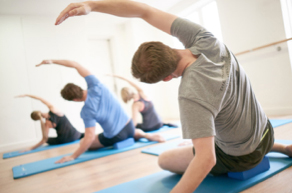
Benefit 2: Pilates can help people self-manage their pain
Another important benefit of Pilates is that it can support self-management.
Self-management means giving people the tools, knowledge and confidence to manage their condition more independently. This does not mean ignoring pain or doing everything alone. It means understanding how to pace activity, choose appropriate exercises and respond to symptoms in a more helpful way.
Pilates can promote self-management by improving:
- Movement patterns
- Postural awareness
- Strength and control
- Confidence with exercise
- Understanding of what movements feel helpful
- Ability to modify exercises when needed
At Complete Pilates, this is a big part of what we do. We want clients to understand why they are doing certain exercises, not just copy a movement. When you understand your body better, it becomes easier to make informed choices about exercise, activity and recovery.
Smaller Pilates classes or 1:1 Pilates classes are particularly useful for this. They allow for more individualised attention, better correction and more education. This is especially important for people with persistent pain, where the same exercise may need to be modified differently for different people.
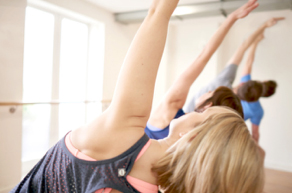
Benefit 3: Pilates is adaptable and efficient
One of the biggest strengths of Pilates is how adaptable it is.
The same exercise can often be made easier, harder, smaller, larger, supported, unsupported or adjusted for a specific goal. This makes Pilates suitable for a wide range of people, including those who are new to exercise, recovering from injury, managing arthritis, dealing with back pain or returning to activity after a long period of inactivity.
For example, a bridge can be used as a gentle mobility exercise, a strengthening exercise for the hips and legs, or a more challenging stability exercise depending on how it is performed. A Pilates squat can be modified for someone with knee pain, progressed for someone returning to sport, or supported for someone who needs more confidence.
This adaptability makes Pilates efficient. Exercises can be chosen to target several goals at once, such as strength, mobility, balance and control.
This is particularly useful for people with chronic musculoskeletal conditions, as they often need more than one thing from their exercise programme. They may need to reduce stiffness, build strength, improve confidence and gradually increase activity tolerance.
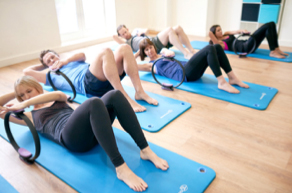
Benefit 4: Pilates can support mental wellbeing
Chronic pain is not just a physical experience. It can affect mood, confidence, sleep and social life.
Many people with persistent pain feel frustrated, anxious or disconnected from their body. They may worry that movement will make things worse, or feel unsure about what type of exercise is safe.
Pilates can help by creating a calm, focused environment where movement feels more manageable. The emphasis on quality, control and breathing can help people feel more present and more connected to their body.
Group Pilates can also provide social interaction, which can be especially helpful for older adults or anyone who feels isolated because of their pain. Being in a supportive environment with others who are also working on their strength and mobility can be reassuring and motivating.
Benefit 5: Pilates can be specific to the individual
The study concluded that exercises should be selected based on a person’s individual condition and needs. This is an important point.
For Pilates to be most effective, it should not be a random collection of exercises. It should be planned with a clear reason behind each movement.
Exercises may be chosen based on principles such as:
- Motor control
- Movement confidence
- Direction preference
- Strength deficits
- Joint stability
- Biomechanics
- Functional goals
- Symptom response
For example, someone with persistent lower back pain may need exercises that improve spinal mobility, hip strength and trunk control. Someone with knee pain may need work on hip strength, balance and lower limb alignment. Someone with shoulder pain may need exercises that improve thoracic mobility, scapular control and upper body strength.
This is why clinically informed Pilates can be so valuable. When exercises are selected and adapted properly, Pilates can become more than a general fitness class — it can become part of a person’s long-term management plan.
Pilates and physical activity guidelines
All physiotherapists in the study advocated self-management and encouraged people to be active beyond their Pilates sessions.
This is important because Pilates can be part of a wider approach to health and movement. It can help people build the strength, confidence and control needed to do more physical activity in general.
The UK Department of Health guidance recommends that adults aim to complete regular physical activity across the week, including a variety of intensities and some activity on most days.
For people with chronic pain, this can feel overwhelming at first. However, the goal is not to suddenly go from doing very little to doing everything. The goal is to build gradually and consistently.
Pilates can be a helpful first step.
Key Takeaways
- Chronic pain is common and can significantly affect quality of life, including activity levels, mood, sleep and confidence.
- Pilates can help improve function, by supporting strength, posture, flexibility, balance, joint stability and body awareness.
- Pilates can support self-management, helping people understand their movement patterns and feel more confident managing pain.
- Exercises can be adapted to the individual, making Pilates suitable for a wide range of chronic musculoskeletal conditions.
- Pilates can support both physical and mental wellbeing, especially when delivered in a supportive, clinically informed environment.
Join the newsletter
Good news stories, exercise tips and short classes. One email a month.
Conclusion
Living with chronic pain can be frustrating, but it does not mean you have to stop moving. In fact, the right type of movement can be an important part of managing pain, improving function and rebuilding confidence.
Pilates offers a controlled, adaptable and supportive way to exercise. It can help improve strength, mobility, posture, balance and body awareness, while also supporting self-management and mental wellbeing.
At Complete Pilates, we believe Pilates should be individualised, progressive and clinically informed. Whether you are new to exercise, managing a long-term condition or trying to return to activity after pain, Pilates can help you take positive steps towards moving better and feeling more in control.
FAQs
Is Pilates good for chronic pain?
Yes, Pilates can be helpful for people with chronic pain because it focuses on strength, mobility, posture, balance and body awareness. It can also be adapted to suit different pain levels and abilities. If you have been suffering with chronic pain, you may find 1:1 Pilates classes better than a group class. This is because you will get more individualised attention and you can move at your own speed. Equipment Pilates where you use the larger pieces of equipment such as the reformer and Trapeze Table are also likely to give you more support.
Can Pilates help with chronic back pain?
Pilates may help with chronic back pain by improving movement control, trunk strength, hip mobility and posture. However, the exercises should be chosen carefully and modified depending on your symptoms. This is not a quick fix but you should notice a difference after each session. The difficulty is getting the carry over for this improvement to last, and this, takes time.
How often should I do Pilates for chronic pain?
Consistency is important. Many people benefit from starting with two sessions per week, alongside gentle daily movement. The right amount will depend on your symptoms, goals and general activity levels. To understand this it is important to get a full assessment and work out what is the right level for you.
If you have chronic pain, a 1:1 session can be a good starting point because it allows for a full assessment and individualised exercise plan. Because you are the only person in the session, it is extremely adaptable and you will get the maximum amount of attention. Small group classes can also be helpful, especially when they are taught by experienced instructors who can adapt exercises for you. However, be prepared to have the instructors attention shared with other.
Feeling inspired
If you want to experience the Complete difference and discover the benefits of one-to-one or small group Pilates, book a session at one of our London or Norfolk studios today. Not able to make it to one of our studios? We've got online options to suit you anywhere, anytime.
Our physiotherapist-led Chelsea Pilates studio, our Angel Pilates studio, our Pilates studio in London City, and our Norfolk Pilates studio in East Anglia, offer a highly tailored approach to your Pilates training. Whether your goal is to manage a health condition, rehabilitate from an injury or to improve your strength and fitness, Complete Pilates is the studio for you.
Education is key
These blogs are designed to give information to everyone, however, it is important to remember that everyone is different! If you have not seen one of our therapists and have any questions about injuries, what you have read or whether this may be useful to you, please just ask. We are more than happy to help anyone and point you in the right direction. Our biggest belief is that education is key. The more you understand about your injury, illness and movement, the more you are likely to improve.
If you are not sure whether this is for you, simply get in touch. We are here to help!
Published 29 Nov 2023 · Updated 20 Aug 2026