Podcast Episode 3: Achilles Tendon Pain
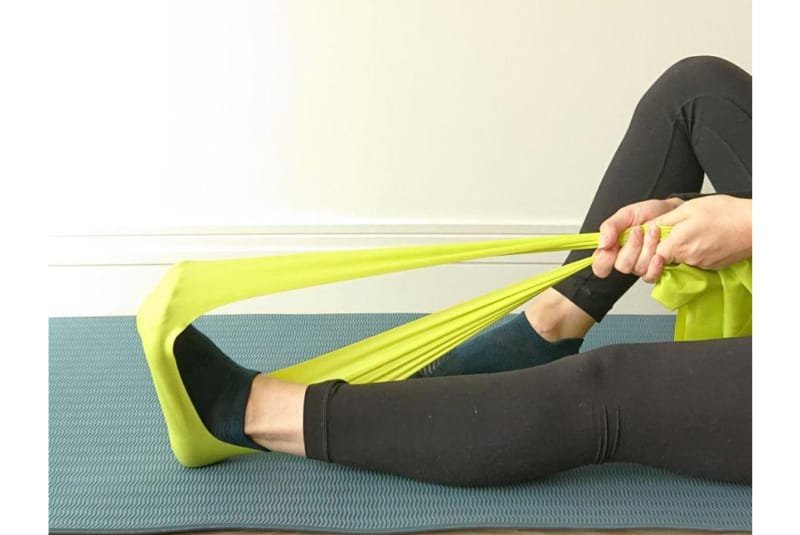
Episode 3: Treating the Achilles with Chris Myers.
The final part of our three part series with Complete Physio Clinical Director, Extended Scope Physiotherapist, Registered Osteopath, MSK Sonographer & Independent Prescriber Chris Myers.
In this podcast we chat with Chris on all things to do with your Achilles Tendon. This includes why you get pain, what to do if you get pain and what types of treatment may help. We also delve into the biggest question we get asked…should you stop running?
What Our Experts Say
One of the most useful messages from this episode is that Achilles pain does not automatically mean someone must stop all activity. The tendon needs to tolerate load, but the amount and type of loading should reflect the person’s symptoms and goals. Pilates can complement rehabilitation by building calf and lower-limb strength, improving movement control and helping someone prepare gradually for the demands of walking, running or sport.

Key Takeaways
- Achilles pain can have several contributing factors – Understanding why the tendon has become painful is an important first step towards choosing the right treatment and managing the activities that may be aggravating it.
- Early action can help prevent symptoms from becoming more limiting – Recognising pain and responding appropriately may make it easier to adjust your activity and begin rehabilitation before the problem starts affecting everyday movement.
- Treatment should be based on the individual – The most appropriate approach will depend on your symptoms, physical assessment, activity levels and what you want to return to doing.
- Achilles rehabilitation may involve more than one treatment strategy – A combination of education, activity modification and progressive rehabilitation may be needed to help the tendon tolerate load again.
- Achilles pain does not always mean giving up running completely – Whether you need to stop, reduce or modify your running will depend on the severity of your symptoms and how the tendon responds during and after activity.
Join the newsletter
Good news stories, exercise tips and short classes. One email a month.
FAQs
1. Why is Achilles pain often worse in the morning?
Pain and stiffness after sleeping or resting are common symptoms of Achilles tendinopathy. The tendon may feel uncomfortable during your first few steps before becoming easier as you begin to move.
2. How long does Achilles tendinopathy take to recover?
Recovery varies according to the severity of the problem, how long symptoms have been present and how consistently rehabilitation is followed. Improvement can take several months, and some people may require longer before returning fully to their previous activities.
3. Is a lump on the Achilles tendon normal?
Some people with Achilles tendinopathy notice thickening or a lump around the tendon. This can be associated with swelling and changes within the tendon, but any new or unexplained lump should be assessed if it is painful, worsening or affecting your movement.
4. How can I tell the difference between Achilles tendinopathy and a rupture?
Achilles tendinopathy usually develops more gradually and may cause pain, stiffness, tenderness or swelling. A rupture is more likely to involve sudden pain, sometimes accompanied by a snapping or popping sensation, swelling, bruising and difficulty walking or standing on tiptoe. A suspected rupture requires urgent medical assessment.
5. Do I need a scan for Achilles tendon pain?
Not everyone with Achilles pain requires imaging. A healthcare professional can often begin by considering your symptoms and examining the tendon. A scan may be recommended when the diagnosis is uncertain, a tear is suspected or the result is likely to influence treatment.
Feeling Inspired?
If you want to experience the Complete difference and discover the benefits of one-to-one or small group Pilates, book a session at one of our London or Norfolk studios today. Not able to make it to one of our studios? We've got online options to suit you anywhere, anytime.
Our physiotherapist-led Pilates studio in Chelsea, our Angel Pilates studio, our Pilates studio in City, and our Norfolk Pilates studio in East Anglia, offer a highly tailored approach to your Pilates training. Whether your goal is to manage a health condition, rehabilitate from an injury or to improve your strength and fitness, Complete Pilates is the studio for you.
Education is Key
These blogs are designed to give information to everyone, however, it is important to remember that everyone is different! If you have not seen one of our therapists and have any questions about injuries, what you have read or whether this may be useful to you, please just ask. We are more than happy to help anyone and point you in the right direction. Our biggest belief is that education is key. The more you understand about your injury, illness and movement, the more you are likely to improve.
If you are not sure whether this is for you, simply get in touch. We are here to help!
Published 23 Sep 2020 · Updated 5 Aug 2026